


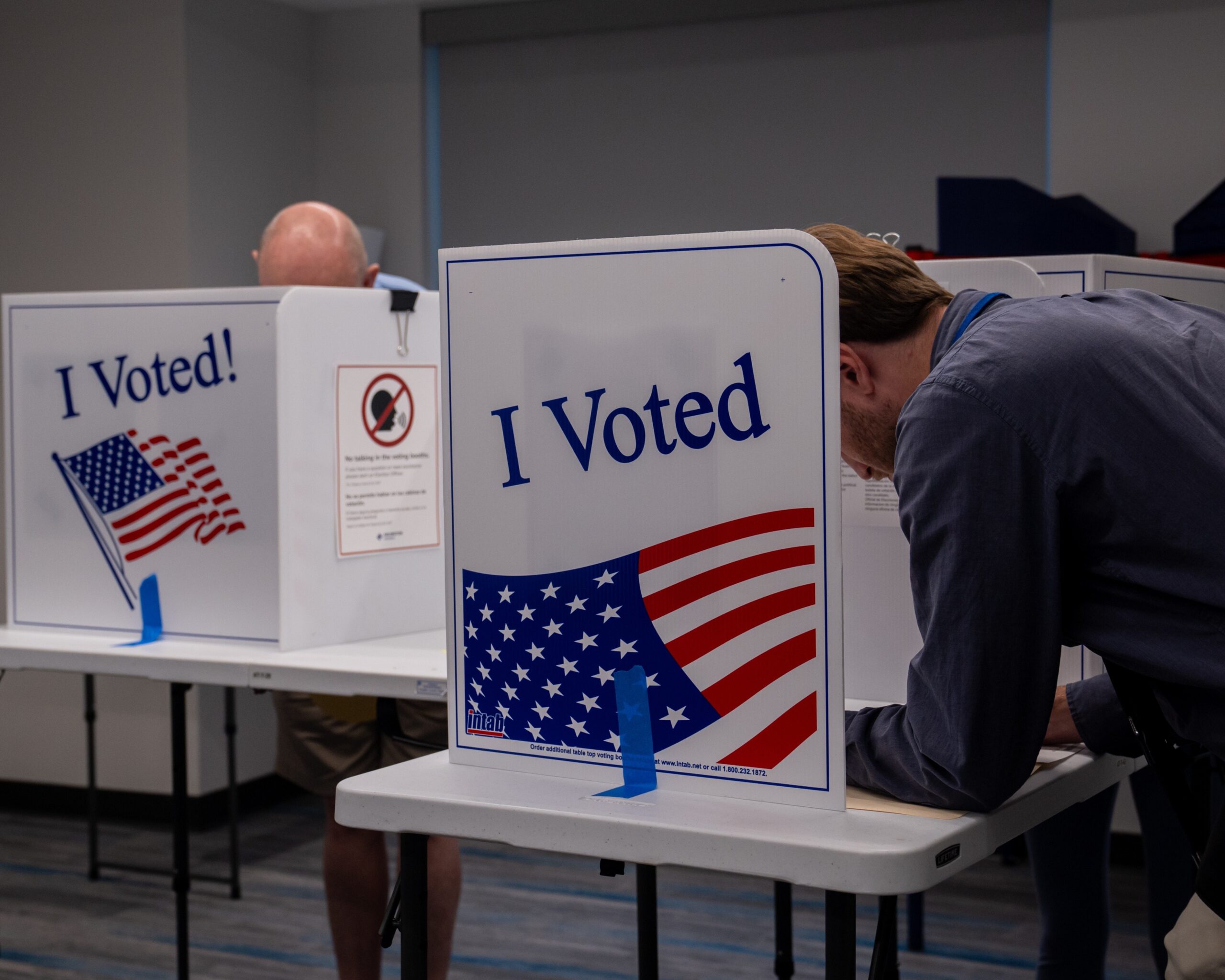
Millions of Americans will vote on more than candidates in the November 2026 midterm elections. Voters across 39 states will also decide on 145 statewide ballot measures. The proposals cover taxes, property costs, abortion access, transgender rights and voting rules. The results could shape state policies and public services for years.
One of the most closely watched proposals is a plan to tax billionaires in California. Other measures would limit property taxes, change rules for transgender students and restrict medical care for minors. Voters in several states will also decide whether to protect abortion rights or allow new limits.
John Matsusaka, a business professor at the University of Southern California and head of the Initiative and Referendum Institute, said polls show strong support for allowing citizens to vote directly on policy proposals. However, ballot measures do not always pass. Historical data from Ballotpedia puts the long-term average passage rate at about 41 per cent.
California’s Proposition 40 would create a one-time tax of 5 per cent on the net assets of state residents worth at least $1 billion. Supporters estimate the measure could raise about $100 billion. They propose using 90 per cent of the money for healthcare services and Medi-Cal, with the rest going to public education and food assistance.
Supporters say the tax would affect about 200 people. However, the proposal has also raised questions about how a new wealth tax would work and whether other measures could limit its effect.
Proposition 41 would require audits of new special taxes and restrict certain taxes that bypass state spending limits. Proposition 42 would prohibit new state taxes on retirement holdings and personal savings and limit retroactive taxes. If approved, these measures could affect how California’s proposed billionaire tax is applied.
Other states are also debating taxes on wealthy residents. Massachusetts introduced a 4 per cent surtax on taxable income above $1 million last year. Washington enacted a 9.9 per cent state income tax on household earnings above $1 million a year, according to the supplied report.
Washington voters will consider Initiative 645, which seeks to repeal the state’s millionaire tax. Tennessee voters will also decide on Amendment 3, which would permanently prohibit wealth taxes similar to California’s proposed measure.
Property taxes are another major issue. Florida’s Amendment 3 would increase homestead exemptions for resident homeowners and lower the limit on assessment increases for non-homestead properties from 10 per cent to 5 per cent. It would also set new limits on property tax increases for business and commercial properties.
Supporters say the Florida proposal could reduce the average homeowner’s tax bill by about $1,000. However, local officials warn that lower collections could cut municipal budgets by as much as 23 per cent next year. Cities may face difficult choices over services and spending if the measure passes.
Oklahoma, North Carolina and Tennessee also have property tax proposals on their ballots. Tennessee does not collect a state property tax, and voters will consider adding that policy to the state constitution.
Transgender rights are another focus of the election. Voters in five states will consider measures involving school sports or gender-related medical care for minors. Missouri’s Amendment 3 would prohibit gender-transition surgery, cross-sex hormones and puberty-blocking drugs for minors, with an exception for treatment unrelated to gender transition.
Arizona, Nebraska and Washington have proposals requiring student athletes to compete on school and college teams based on sex as defined by specified biological criteria. Washington’s proposal would also require healthcare documents to verify an athlete’s sex. Colorado has measures covering transgender sports participation, medical care for minors and abortion rights.
Voting rules will also appear on ballots in six states. Arkansas, Kansas, South Dakota and West Virginia will ask voters to amend their constitutions to require US citizenship for state election voting. Alaska has a voter-led proposal to change state law.
Arizona already bars noncitizens from voting under its constitution. A new measure would explicitly prohibit noncitizens from registering to vote. It would also restrict foreign campaign contributions and require government-issued identification to cast a ballot.
Abortion access remains a key issue. Voters in Idaho, Nevada and Virginia will consider measures to protect access to abortion through state law or constitutional changes. Missouri voters will face a proposal that seeks to reverse the reproductive rights protections approved in 2024 and restore lawmakers’ power to ban abortion.
These ballot measures reflect major policy debates across the United States. The results will depend on voter turnout and public support in each state. The decisions could affect taxes, healthcare, schools and voting rules long after the midterm elections end.

