


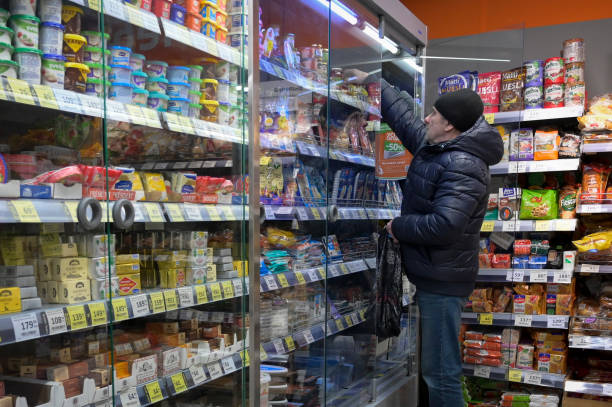
“Life is becoming more expensive,” says Alexander, an advertising specialist from Moscow who works for a large corporation. His monthly food budget jumped by more than 22% in one month, rising from 35,000 roubles to 43,000 roubles. Russia’s economy now wavers between stagnation and decline, and citizens increasingly feel the financial impact of the war in Ukraine as it approaches its fourth year.
Alexander noticed price increases for almost all essential goods in supermarkets, including eggs, chicken fillets, and seasonal vegetables. Journalists changed all names in this report to protect sources. Even his daily Americano on the way to work surged by 26%, rising from 230 to 290 roubles.
Prices have climbed steadily since the full-scale invasion, as the government prioritised war spending and defence production. That spending boosted economic growth and temporarily raised living standards. High inflation remained largely unnoticed in major cities, as heavy spending masked the effects of sanctions and the departure of foreign investment.
Economic growth slowed sharply in 2025, and wages failed to keep pace with inflation. Rising prices then started to hit household budgets. At the start of 2026, supermarket prices rose by 2.3% in less than a month, according to Rosstat.
Everything became more expensive at the start of the year, including meat, milk, salt, flour, potatoes, pasta, bananas, soap, toothpaste, socks, laundry detergent, and many medicines.
Food Basket Exposes Inflation’s Toll
Every January since 2019, journalists bought the same selection of 59 basic goods from the same supermarket chain in Moscow. The basket includes vegetables, fruits, dairy, meat, canned goods, instant noodles, sweets, and beverages, including beer.
In 2024, the basket cost 7,358 roubles. Last month, it cost 8,724 roubles, an increase of 18.6%. That figure matches Rosstat’s 18.1% measure of accumulated food inflation from January 2024 to the end of January 2026.
Fruit and vegetable prices increased by almost 15% since 2024. Russia relies heavily on imported produce, so prices react strongly to currency fluctuations and supply chain disruptions. Both factors worsened after the war began.
Dairy prices surged by 41%, marking the biggest increase in the sample basket. Rising farm costs, expensive loans, and staff shortages pushed prices higher across the dairy sector.
VAT Hikes and Budget Pressures Force Lifestyle Adjustments
A recent driver of price increases is a two-point VAT rise from 20% to 22% starting on 1 January. The finance ministry said the tax hike is needed to fund defence and security spending linked to the war.
Alexander says he will not change his eating habits, but others say rising prices forced painful adjustments. Nadezhda, 68, says she can no longer afford beef and now buys cheaper fish. She and her husband live on state pensions and his additional income. Her monthly pension of almost 32,000 roubles now goes entirely on food.
They postponed other expenses and used savings to cover groceries. They planned to repair their car but delayed the work. They also postponed buying a winter jacket for Nadezhda’s husband, which would have cost about 17,000 roubles.
Kristina, a marketing specialist in her mid-40s, also used savings to buy food last month. She lives with her husband, a personal trainer, and now watches discounts closely. She notices more shoppers doing the same. She now chooses food based on protein content rather than preferences.
The couple can no longer afford to eat out. Even home cooking became more expensive, as the cost of dinner for two more than doubled from around 1,000 roubles to more than 2,000 roubles.
Oil Market Decline and Sanctions Deepen Economic Worries
In summer 2025, the central bank governor said the economy was close to balanced growth. Some economists now warn that the economy risks entering negative territory after slowing significantly last year.
The oil market poses one of the biggest risks. The federal budget depends on high oil prices, but prices dropped at the start of this year with no expected rebound. New US sanctions also reduced Russian oil exports to key buyers such as India.
Authorities now face a larger budget deficit than planned. Borrowing remains difficult due to high interest rates and concerns about lending to a country at war. That situation could trigger further tax increases or spending cuts, especially in the public sector. Both options would reduce incomes and slow the economy further.
Economist Tatiana Mikhailova says the country faces stagnation and possible GDP decline. She says falling oil prices could trigger a recession, although the economy could stagnate without collapsing.
For ordinary Russians, these pressures offer little relief, as rising prices continue to squeeze household budgets every day.

