


Tensions between the United States and Iran rose sharply on Saturday after both sides exchanged military actions linked to maritime security and shipping routes in the Middle East. The latest developments have increased concerns about stability in the Persian Gulf and the safety of commercial vessels operating in one of the world’s most important energy corridors.
The United States military said its forces struck three Iranian crude oil carriers after Iranian forces launched ballistic missiles toward two American Navy warships operating in the region. According to U.S. military officials, the American vessels avoided the incoming attacks and continued operations without reported damage.
Military leaders described the Iranian missile launches as unprovoked and said the response targeted vessels connected to networks that help finance Iran’s military activities. U.S. officials stated that two crude oil carriers were disabled near the Iranian coast, while another tanker outside the Persian Gulf was destroyed after multiple strikes.
American military commanders said the operation was intended to impose a financial cost on Iran following the missile attacks. Senior defense officials also warned that future attacks on U.S. naval forces could trigger additional action against Iranian shipping assets.
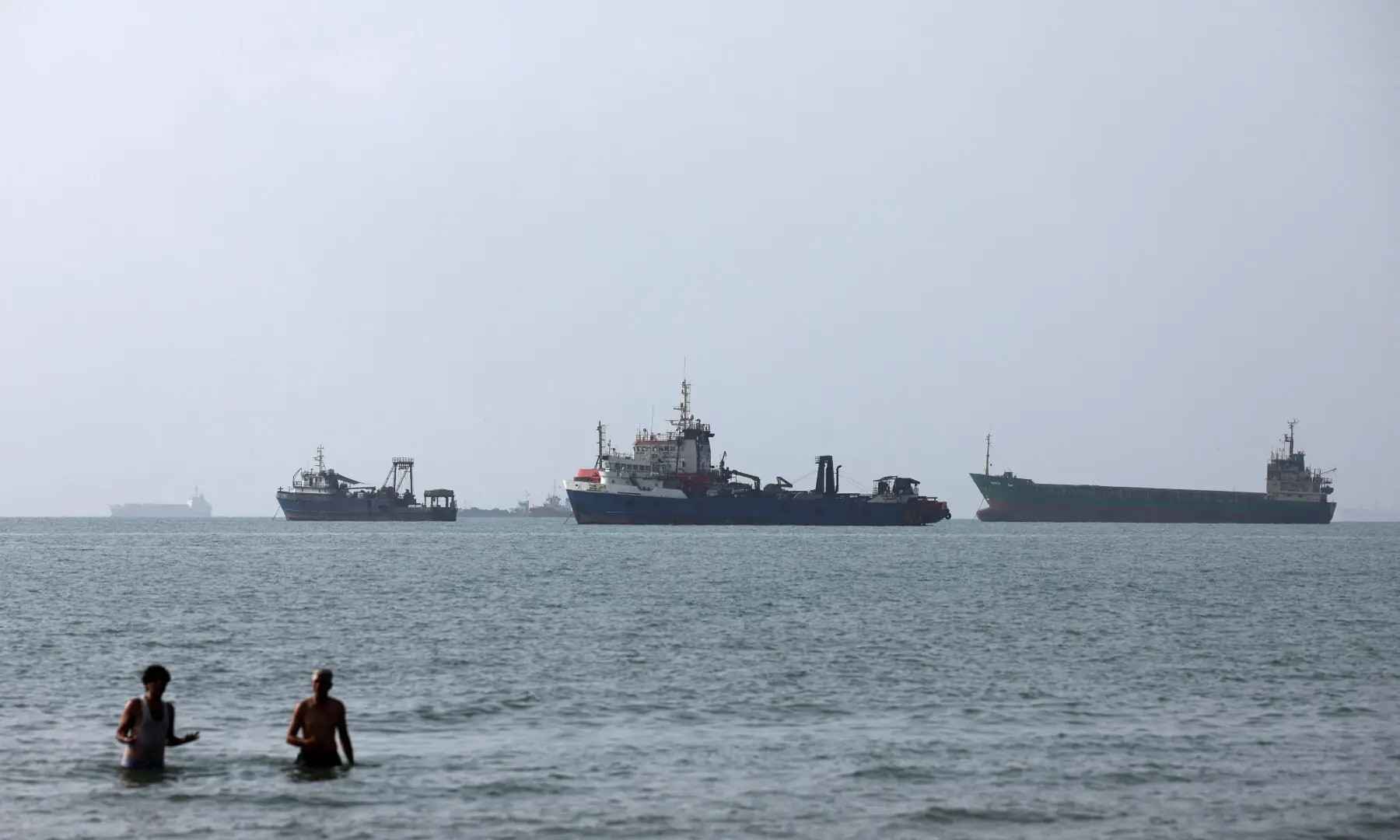
The latest exchange marks a significant escalation in a conflict that has increasingly focused on maritime activity. The Persian Gulf and the Strait of Hormuz remain among the most important routes for global oil shipments. Any disruption in these waters can affect international trade, energy markets, and regional security.
The confrontation follows earlier clashes between the two countries this week. Those incidents ended a period of relative calm that had lasted for more than a month. Analysts now warn that the latest actions could lead to another cycle of retaliation between Washington and Tehran.
Iran strongly condemned the American strikes. The country’s foreign affairs ministry described the attacks as illegal and aggressive. Officials argued that the operation threatened international peace and the security of commercial shipping routes.
Iranian authorities also said the attacks violated international law and the principles outlined in the United Nations Charter. Government officials warned that Iran would respond firmly to any action targeting its interests.
Earlier on Saturday, Iranian media outlets reported that a tanker operating near Kharg Island came under missile attack. Reports stated that the vessel was struck by four projectiles. Authorities said there were no reported casualties among crew members.
Audio recordings verified by international media outlets appeared to capture warnings issued by a U.S. military aircraft before one of the attacks. In the communications, the aircraft instructed crew members aboard a tanker to move away from the area that was expected to be targeted.
The recordings indicated that sailors were given time to evacuate before military action was taken. Additional warnings reportedly urged the crew to abandon the vessel and move into lifeboats before the strikes occurred.
The latest confrontation highlights growing concerns about the safety of shipping in the region. The Strait of Hormuz serves as a critical passage for global energy exports. A large share of the world’s oil and natural gas shipments travels through the narrow waterway each day.
Any increase in military activity near the route can create uncertainty for shipping companies, energy producers, and financial markets. Experts have repeatedly warned that prolonged instability could affect transportation costs and energy prices worldwide.
Regional governments and international observers are closely monitoring the situation. Many fear that continued attacks on ships could increase the risk of a broader maritime conflict. Security analysts note that repeated military exchanges can quickly escalate if diplomatic efforts fail to reduce tensions.
The United States has maintained that its actions were defensive and intended to protect naval forces and commercial navigation. Iran, meanwhile, argues that American military operations in the region contribute to instability and threaten its national interests.
As both governments exchange warnings, attention is turning to whether further retaliation will follow. The recent strikes have already increased pressure on regional security and raised fresh concerns about the future of maritime trade in the Middle East.
For now, shipping companies, governments, and global markets remain focused on developments in the Persian Gulf, where the latest military actions have added new uncertainty to an already fragile security environment.

