


A Strait of Hormuz incident involving a U.S. military helicopter has raised fresh concern over one of the world’s most sensitive sea routes, even as officials confirmed that both pilots on board are safe.
The helicopter went down on Monday while flying over the Strait of Hormuz. The area is a key shipping lane for global oil trade and has been under intense pressure due to ongoing regional conflict and maritime tensions.
U.S. President Donald Trump confirmed that the two pilots survived the incident. Speaking to reporters before boarding Air Force One, he said both crew members were fine and no injuries were reported.
“The pilots are fine,” Trump said, adding that further details would be released in an official report expected the next day. He repeated that no one was hurt in the event.
The cause of the helicopter crash has not yet been confirmed. Authorities have not released technical details or explained whether mechanical failure, weather conditions, or external factors played a role.
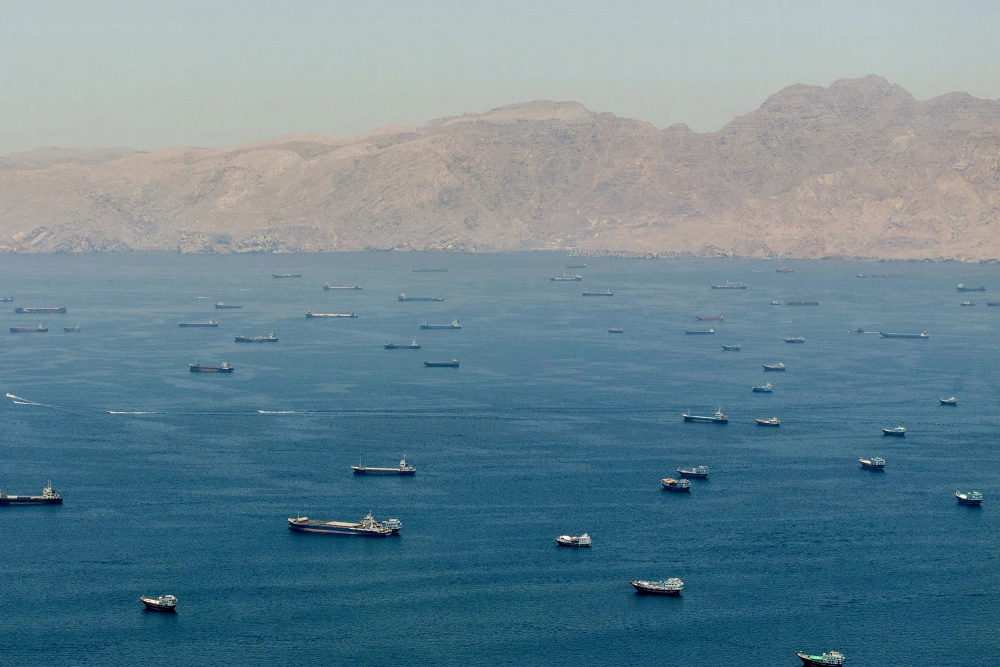
The incident took place over the Strait of Hormuz, a narrow but highly important passage between the Persian Gulf and the Gulf of Oman. Around one-fifth of the world’s oil shipments normally pass through this route.
The waterway has been at the center of rising tensions between the United States and Iran in recent years. It remains a strategic point for global energy security and military monitoring.
Reports first surfaced in international media, with early coverage indicating that a U.S. military helicopter was involved in the incident. The aircraft is part of ongoing American operations in the region aimed at protecting shipping lanes.
The situation is unfolding during a broader period of geopolitical strain. Maritime security in the region has been under pressure due to repeated confrontations and threats to commercial shipping.
In recent months, tensions have been linked to disputes involving Iran and Western nations over navigation rights and regional influence.
The Council of the European Union also raised concerns earlier in the week. It said that Iran’s Islamic Revolutionary Guard Corps Navy has been interfering with safe passage in the region.
The EU statement accused the group of undermining freedom of navigation in the Strait of Hormuz by enforcing toll-like systems and by harassing commercial vessels. These claims have added to international debate over maritime safety in the area.
Islamic Revolutionary Guard Corps Navy has not issued a response to the latest helicopter incident at the time of reporting.
Officials say the Strait remains one of the most closely monitored waterways in the world due to its importance for global energy supply. Any disruption in the area can quickly affect oil markets and international trade routes.
Trump also commented on broader diplomatic efforts involving Iran. He suggested that discussions on a possible peace agreement are in their final stages.
He said that a deal could be reached soon and that it would include strong measures to prevent Iran from obtaining nuclear weapons.
Trump added that if a deal is signed, he expects the Strait of Hormuz to reopen fully and immediately. He suggested this could happen within days if agreements are finalized.
“The strait will open up right away,” he said, referring to restrictions that have affected shipping activity in the region.
While details of any agreement remain unclear, his comments reflect ongoing negotiations aimed at reducing regional tensions and restoring stability to key maritime routes.
The situation remains fluid as officials continue to investigate the helicopter incident. Military authorities are expected to release further information after technical assessments are completed.
For now, the focus remains on the safety of the crew and the wider implications for security in one of the world’s most important shipping corridors.
The Strait of Hormuz incident highlights the fragile nature of maritime operations in the region and the potential for sudden disruptions to global energy flows.
As investigations continue, international attention remains fixed on how quickly stability can be restored and whether diplomatic efforts will ease pressure on this critical waterway.

