


A United States service member has died in northern Iraq after an incident involving unexploded ordnance from a downed Iranian attack drone, according to the US military. Another service member was injured during the same operation, adding to the growing toll from the escalating conflict between Washington and Tehran.
US Central Command said the incident happened during the controlled disposal of unexploded ordnance recovered from an Iranian one-way attack drone. The military said explosive disposal teams were carrying out a planned operation when the explosion occurred. The injured service member received medical treatment, while officials continue to investigate the circumstances surrounding the incident.
The latest casualty came one day after an Iranian strike on a military facility in Jordan. That attack killed two US service members and left another missing. Military officials later announced that search teams had recovered unidentified human remains from the site. The identification process is still underway.
The deaths have increased pressure on the United States as military operations continue across the Middle East. The Pentagon said the latest actions are aimed at reducing Iran’s ability to threaten regional security and commercial shipping routes while responding to attacks on American personnel.
The conflict has entered another week of military exchanges between the two countries. Airstrikes, drone attacks, and missile launches have continued across several locations, raising concerns about wider regional instability.
US officials said recent military strikes targeted facilities linked to Iran’s military capabilities, including drone infrastructure, surveillance systems, and other strategic assets. American leaders said the operations were intended to weaken Iran’s ability to launch future attacks against US forces and international shipping.
Iran has continued to respond with missile and drone attacks against US positions and regional allies. The fighting has also affected shipping through the Strait of Hormuz, one of the world’s most important energy trade routes. The disruption has increased concerns about global energy supplies and rising oil prices.
Military officials said verified footage from the Jordan attack showed multiple impacts and a large explosion at the targeted facility. Damage assessments and investigations remain ongoing as officials review the full extent of the attack.
The conflict has also affected neighboring countries. Jordan reported intercepting several missiles that entered its airspace, while authorities demanded an immediate end to attacks that threaten the country’s security. Officials stressed that protecting national territory remains a top priority.
Israel also reported defensive action after projectiles were launched toward Jordan. Its military said interceptor systems were activated to prevent debris from entering Israeli territory. Officials reported no injuries or significant damage following the incident.
Meanwhile, reports from Iran said several locations were struck during overnight attacks, including an under-construction nuclear facility. The International Atomic Energy Agency said the site was still in the early stages of development and did not contain nuclear material during its most recent inspection. The agency urged all sides to exercise restraint as the conflict continues.
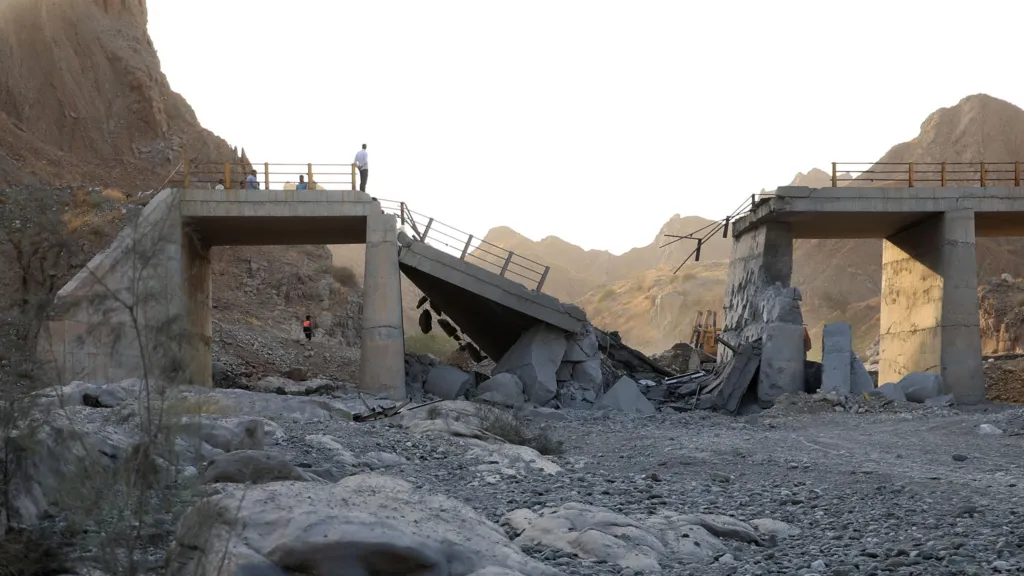
The ongoing fighting has also drawn concern over attacks on civilian infrastructure. Both Washington and Tehran have accused each other of striking facilities that serve civilian populations, including transport and utility infrastructure. International law prohibits deliberate attacks on civilians, although some facilities may become military targets if they are used for military purposes.
Diplomatic efforts remain stalled despite previous attempts to reduce tensions. A preliminary ceasefire agreement broke down, leading both sides to resume military operations. Since then, exchanges of strikes have continued with no immediate sign of a lasting settlement.
The latest death in Iraq highlights the continuing risks faced by military personnel operating in conflict zones, even during explosive disposal missions. As military operations continue and diplomatic efforts remain uncertain, international attention remains focused on preventing further escalation across the Middle East.

