


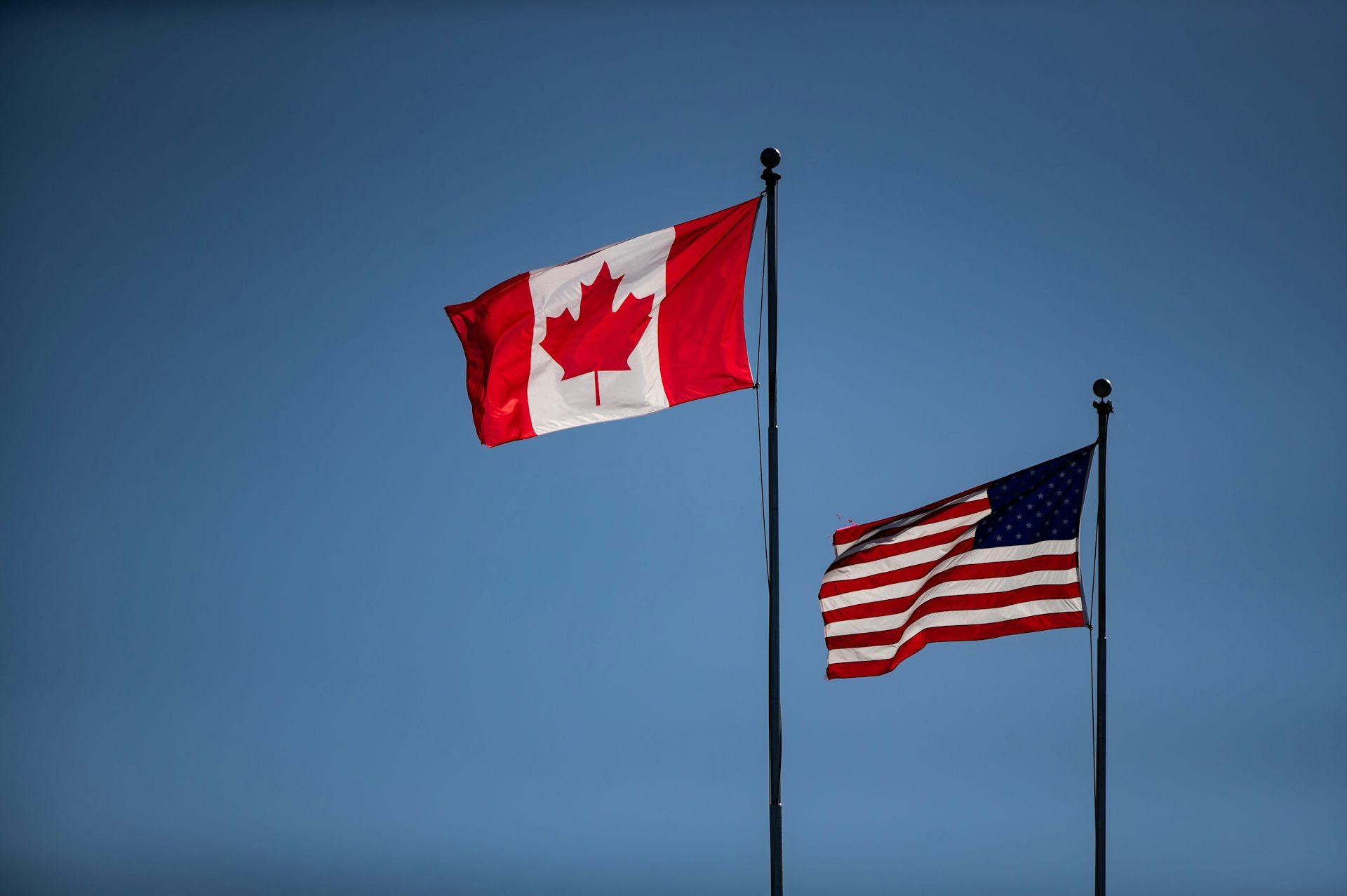
Canada is moving ahead with a new round of tariffs on American products as trade tensions between the two neighboring countries continue to rise. The counter-measures come after President Donald Trump announced a 50 percent tariff on Canadian goods, a decision that has sharply escalated the dispute between two of the world’s closest trading partners.
The Canadian tariffs are set to take effect across several sectors and are aimed at responding directly to the latest US trade action. Canadian officials say the measures are designed to protect domestic industries and send a clear message that Ottawa will respond when its exports face what it considers unfair barriers.
The latest developments mark a new chapter in a trade relationship that has long been one of the largest and most important in the world. Every year, billions of dollars in goods move across the border, supporting jobs, businesses, and investment in both countries.
The dispute intensified after the United States announced a 50 percent tariff on a wide range of Canadian products. The Trump administration has argued that stronger tariffs are needed to protect American industries and reduce trade imbalances. The move, however, was met with swift criticism from Canadian leaders, who warned that such actions could harm businesses and consumers on both sides of the border.
Canada’s response includes tariffs targeting multiple American sectors. While officials have emphasized that the measures are intended to be proportional, they also stressed that the country would defend its economic interests. The government has signaled that further action could follow if the trade conflict continues to expand.
Business groups in both countries have expressed concern about the growing dispute. Many companies rely on integrated supply chains that stretch across the border. Higher tariffs can increase costs, disrupt production, and create uncertainty for investors. Economists have also warned that prolonged trade barriers could slow growth and place additional pressure on prices.
Manufacturers are among those watching the situation closely. Many firms depend on parts and materials that move between Canada and the United States several times before a final product is completed. Additional tariffs could make those processes more expensive and less efficient.
Agriculture, energy, and industrial goods are also expected to feel the impact. Producers in both countries have benefited from decades of close economic cooperation. Industry leaders fear that continued escalation could weaken competitiveness and reduce export opportunities.
Canadian officials have repeatedly called for dialogue and negotiation. They argue that trade disputes are best resolved through discussions rather than through escalating tariff measures. At the same time, they maintain that Canada must respond when key industries face significant challenges from foreign trade policies.
The United States remains Canada’s largest trading partner by a wide margin. Likewise, Canada is one of the most important export markets for American businesses. Because of that deep economic connection, changes in trade policy often have immediate effects across a broad range of industries.
Market analysts say the latest tariff battle could create uncertainty in the months ahead. Companies may delay investment decisions while they wait to see whether the two governments can reach a new agreement. Financial markets will also be watching for signs of either further escalation or renewed negotiations.
Political leaders on both sides continue to defend their positions. The Trump administration has framed the tariffs as part of a broader effort to strengthen American manufacturing and protect domestic workers. Canadian leaders, meanwhile, argue that open and fair trade remains the best path for long-term economic growth.
As the new Canadian tariffs take effect, businesses and consumers will be looking for signs of what comes next. The dispute has already become one of the most significant trade challenges between the two nations in recent years.
For now, both countries remain firmly committed to their positions. Whether the conflict leads to further retaliation or eventually returns to the negotiating table will likely shape the future of North American trade in the months ahead.

