


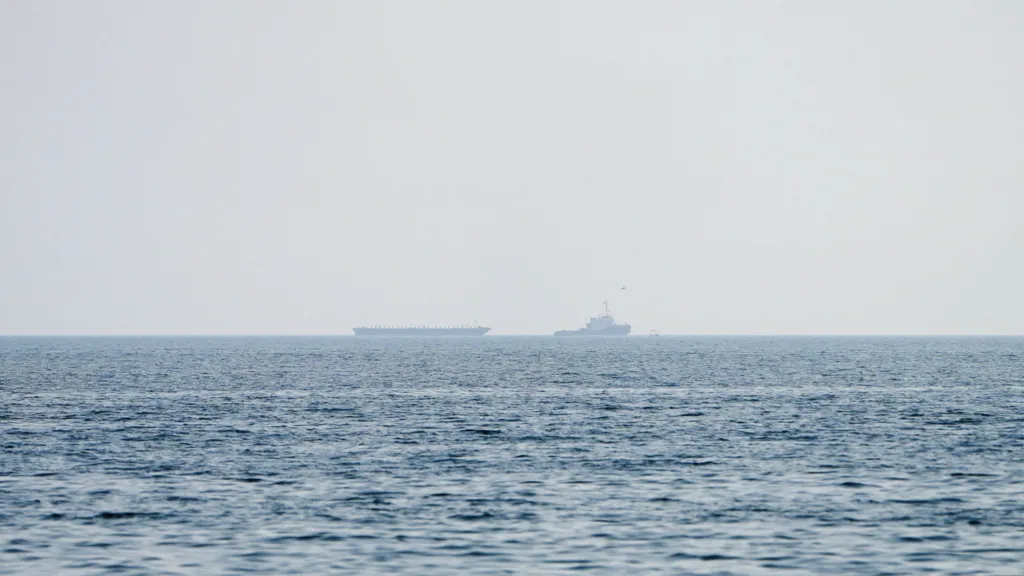
Military tensions between the U.S and Iran escalated following unconfirmed reports about attacks by both countries in the region and the possible impact on global trade.
According to Tehran, Iran carried out attacks on drones and air defenses on military facilities and American military bases in the Middle East. They claimed it was in retaliation for another night of American strikes on Iran, which marked the 13 th consecutive night of American military actions on Iranian soil.
There were reports about explosions in several strategic regions in Iran including along the gulf coast, and the western, northern, and central parts of the country. In southwest Iran, an area near the gulf, four people were killed, and five others were injured in an attack, according to Iran’s state media. However, the figures have not been independently confirmed yet.
Later, Iran announced other retaliatory attacks on the United States, this time targeting allies such as Kuwait. At the same time, emergency sirens sounded in Bahrain and Jordan as a response to the attacks.
In addition, the flights at the Erbil International Airport in Iraq were halted after a drone attack near the airport. It is not known yet whether any of the aircraft would be damaged.
Escalation of military actions followed the political tensions between Washington and Tehran. Iran strongly opposed the proposal by the U.S to use frozen Iranian assets to cover the costs of repairs to vessels involved in the hostilities.
President Trump suggested using Iran’s funds to pay for damages to vessels traded in the Hormuz Strait. He explained that the compensation for the attacked ships would be covered by the assets not available to Iran.
According to Iran, compensating for the damages to ships would set a “dangerous precedent” and undermine international law, increasing the risks of tensions with other countries. In addition, Foreign Minister of Iran Abbas Araghchi warned that the use of another state’s frozen assets to pay for future claims would lead to increased instability.
The meeting between President Trump and the Israeli Prime Minister Benjamin Netanyahu is scheduled to take place in Washington. The talks will include issues related to regional security and tensions with Iran, given the meeting with the Israeli leader just days before he meets with the President of the United States. In addition, there is a possibility for Ukraine’s President Volodymyr Zelensky to meet with Trump.
Meanwhile, the U.S and the U.K are set to hold a security conference on the Strait of Hormuz. Defense officials from both countries will discuss the safety of the strategic waterway during the meeting.
Earlier this year, both countries signed a 14-point memorandum committing to de-escalating military tensions, reopening the Strait of Hormuz, and pursuing a diplomatic solution to ending all hostilities within 60 days.
Nevertheless, the deal collapsed due to new attacks in the Strait of Hormuz. In addition, President Trump announced the termination of the ceasefire after attacks in the waterway. Both sides resumed military activities after the agreement was annulled. One of the points of the agreement included designating funds for the compensation for the attacked ships, however, the latest dispute over the use of Iran’s assets increased tensions between the countries.
Concerns about the safety of the Red Sea trade routes from attacks by Iran-backed Houthi militants in Yemen have sparked speculation about additional escalations. The situation also affects oil prices, which rose above $100 a barrel, reaching the highest level in months.
President Trump warned that additional attacks by the Houthi militants in Yemen would lead to increased military pressure on Iran. The President said that steps would be taken against attacks on American interests and shipping in the Red Sea.
According to the Central Command of the U.S., the recent attacks targeted Iranian command posts, drone warehouses, communication sites, coastal radar systems, and maritime infrastructure. The statement noted that all of these measures will help reduce the threat to shipping in the region.
Iran’s military spokesperson stated that they targeted American military positions in Kuwait while other countries took defensive measures.

