


The Trump administration has once again asked the U.S. Supreme Court to allow new restrictions on mail ballots before this year’s midterm elections. The request marks the latest step in a legal fight that could affect voting procedures across the country as election preparations move forward.
The administration filed its renewed appeal on Sunday after a federal judge extended an order blocking the U.S. Postal Service from enforcing parts of President Donald Trump’s executive order related to mail voting.
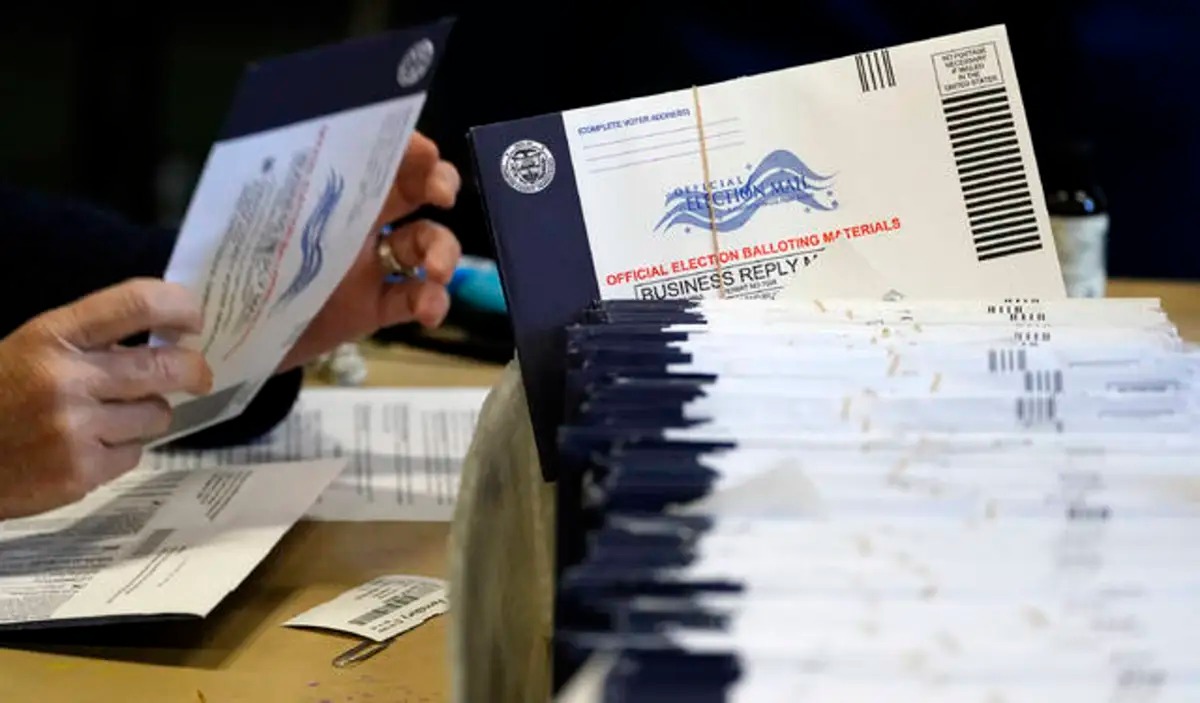
The dispute comes at a critical time. Election officials in several states have already started sending mail ballots to voters. As more ballots enter the mail system, the window for making major changes to voting procedures continues to shrink.
Government lawyers argued that delays in implementing the new rules could create problems for election officials and voters. They said states are already mailing ballots and preparing election materials based on current procedures.
According to the administration, North Carolina has already begun sending ballots to voters. Several other states are expected to begin their mail ballot distribution process in the coming days and weeks.
Administration officials told the Supreme Court that once ballot envelopes are mailed, they cannot be retrieved or changed. They argued that allowing current procedures to continue could make election preparations more difficult if the rules are later approved.
The administration also said that election officials and the Postal Service are currently allowed to take voluntary steps to prepare for possible rule changes. However, government lawyers argued that those measures are not enough and that mandatory compliance is needed to avoid confusion.
Supporters of the administration’s position say clear and consistent rules are necessary to ensure election procedures are followed across all states. They argue that uncertainty close to an election can create challenges for election workers and voters alike.
Opponents of the proposed restrictions argue that changing voting procedures shortly before an election could confuse voters and place additional burdens on election officials. They also contend that mail voting remains an important option for millions of Americans.
The legal battle has already reached the Supreme Court multiple times. This latest filing marks the third request for intervention from the nation’s highest court.
While the Supreme Court has previously allowed parts of the administration’s plan to move forward, it has not yet issued a final ruling on whether the policy is lawful. That larger legal question remains unresolved.
The case continues to move through the courts as election preparations advance across the country. Federal judges are weighing arguments from both sides regarding the authority of the executive branch and the potential impact on election administration.
The challenge stems from an executive order that seeks changes related to the handling and processing of mail ballots. The administration argues the changes are necessary for election administration and postal operations.
A federal district judge recently extended an order preventing enforcement of the plan while legal challenges continue. That ruling prompted the administration’s latest appeal to the Supreme Court.
Election officials in many states are closely watching the outcome. Any decision from the Supreme Court could affect how mail ballots are handled during the midterm elections.
Mail voting has become a major part of the election process in the United States. Millions of voters use absentee and mail ballots each election cycle. In recent national elections, a significant share of voters chose to cast their ballots through the mail.
Because of the widespread use of mail voting, changes to ballot procedures can have broad effects. Election administrators often require months of planning to update systems, print materials, and inform voters about new requirements.
The timing of the court battle has increased attention on the case. With ballots already being prepared and distributed, election officials face pressure to maintain smooth operations while legal questions remain unresolved.
Control of Congress is at stake in the upcoming midterm elections, adding further significance to the dispute. Political parties and voting rights groups are monitoring developments closely as the courts consider the matter.
The Supreme Court could act quickly because of the election calendar. A decision on the administration’s request may determine whether the proposed mail ballot restrictions can be implemented before voting expands in additional states.
For now, the legal fight continues, leaving election officials, voters, and political leaders awaiting further guidance from the nation’s highest court as preparations for the midterms move ahead.

