


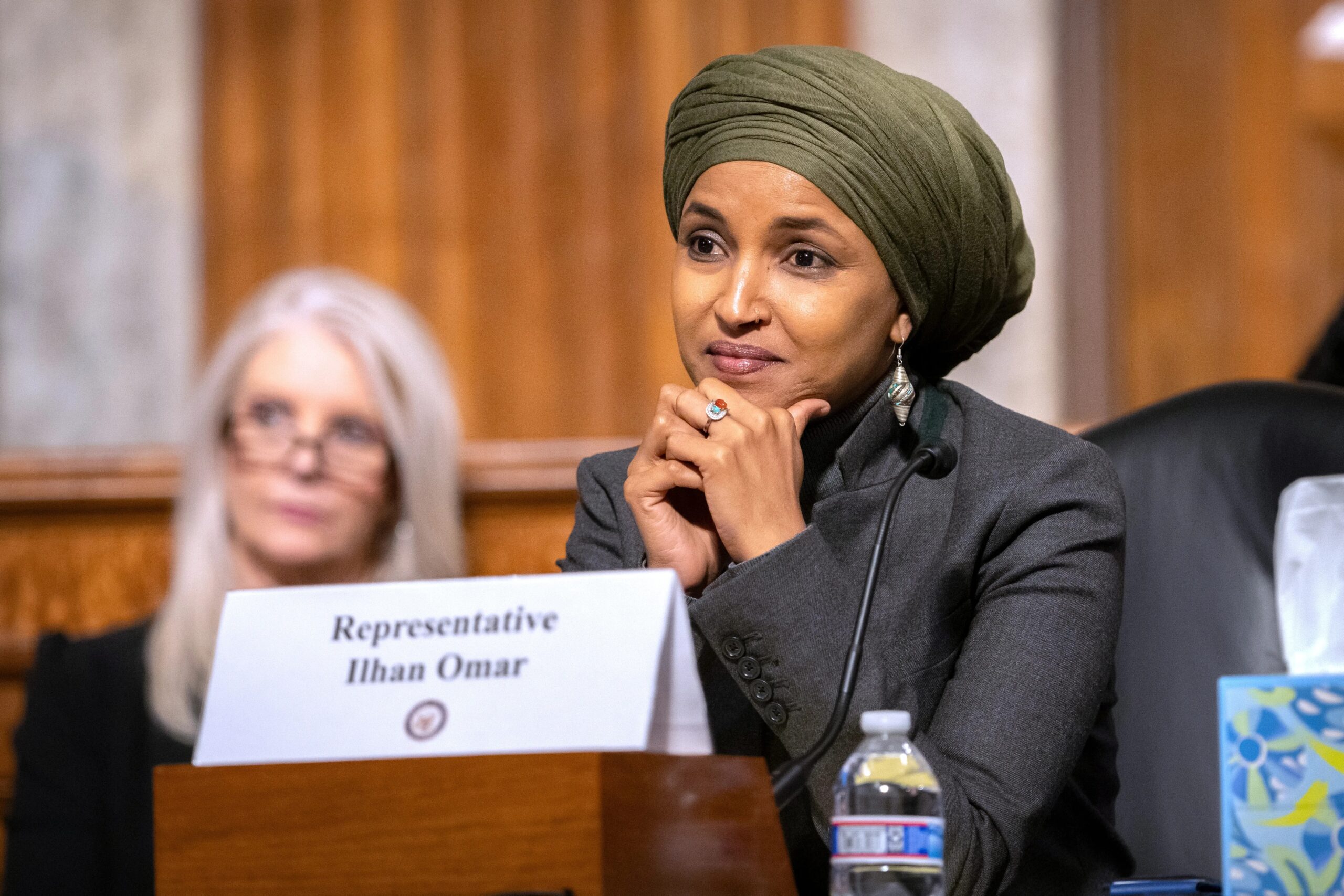
Attorneys for US Representative Ilhan Omar have asked the Justice Department to return property seized during a search of her Washington home. The lawyers said the search was unlawful and lacked a valid basis. They also accused the federal government of targeting the Minnesota Democrat for political reasons.
In a letter sent on Friday, Omar’s legal team argued that the investigation was aimed at a longtime critic of President Donald Trump. The search took place only weeks before the midterm elections, when Omar is seeking another term in Congress.
Her attorneys said there was no valid reason to suggest that she had broken any law related to her citizenship. They described the investigation as politically driven and said it threatened Omar’s constitutional rights.
The lawyers also argued that the case raised concerns about the separation of powers. They said the Justice Department’s actions could undermine the ability of elected lawmakers to carry out their duties without political pressure.
The department rejected the claims. A spokesperson said the letter contained false statements and errors. The spokesperson also said federal lawyers and law enforcement officers had followed court orders and met their legal duties.
The search of Omar’s home took place on Monday and quickly drew criticism from Democrats. The timing has become a central issue because the Justice Department has historically sought to avoid public investigative steps involving political candidates within 60 days of a primary or general election.
Omar’s lawyers said the search appeared to conflict with that longstanding practice. They also questioned whether agents had followed all instructions set by the magistrate judge who approved the search.
In addition to demanding the return of seized property, the legal team asked the department to preserve any audio and video recordings made during the operation. Such material could help establish how the search was carried out and whether agents followed the court’s instructions.
Federal authorities seized Omar’s phone during the search, according to a person briefed on the investigation. The same source said investigators had issued more than a dozen grand jury subpoenas, including to some of Omar’s relatives.
The full scope of the inquiry remains unclear. Homeland Security Secretary Markwayne Mullin has suggested that investigators are examining possible crimes linked to immigration paperwork involving members of Omar’s family.
Separately, Washington’s US attorney, Jeanine Pirro, has said several investigations involving Omar are underway. Her office is also examining issues related to the lawmaker’s financial disclosures, according to public comments cited in reports.
Omar has faced allegations about her marriage and immigration history for years. Conservative websites have claimed that she married her brother to commit immigration fraud. Omar has repeatedly rejected those claims, calling them lies and describing the allegations as offensive.
According to her congressional biography, Omar and her family fled Somalia’s civil war when she was eight years old. They spent four years in a refugee camp in Kenya before moving to the United States during the 1990s. Her family settled in Minneapolis in 1997.
Her lawyers say Omar became a naturalized US citizen in 2000. They argue that there is no legitimate basis to question her citizenship status or suggest that she violated immigration law.
The search also followed remarks Trump made at a rally in Tennessee. Days before the operation, he referred to Omar in harsh terms and suggested that Vice President JD Vance and others were investigating her. After the search, Trump told reporters that he had no involvement and said the matter was for the Justice Department to handle.
Omar’s attorneys are seeking the return of her property and the preservation of all recordings connected to the search. Their request challenges both the legal basis for the operation and its timing.
The Justice Department has defended the conduct of its attorneys and law enforcement partners. Investigators have not publicly detailed the full evidence behind the case, and the allegations against Omar remain unresolved.
The dispute now places the search, the department’s election-related practices and the limits of federal investigations involving elected officials under greater scrutiny. The next steps may depend on how authorities respond to Omar’s legal demands and whether further details about the investigation become public.

