


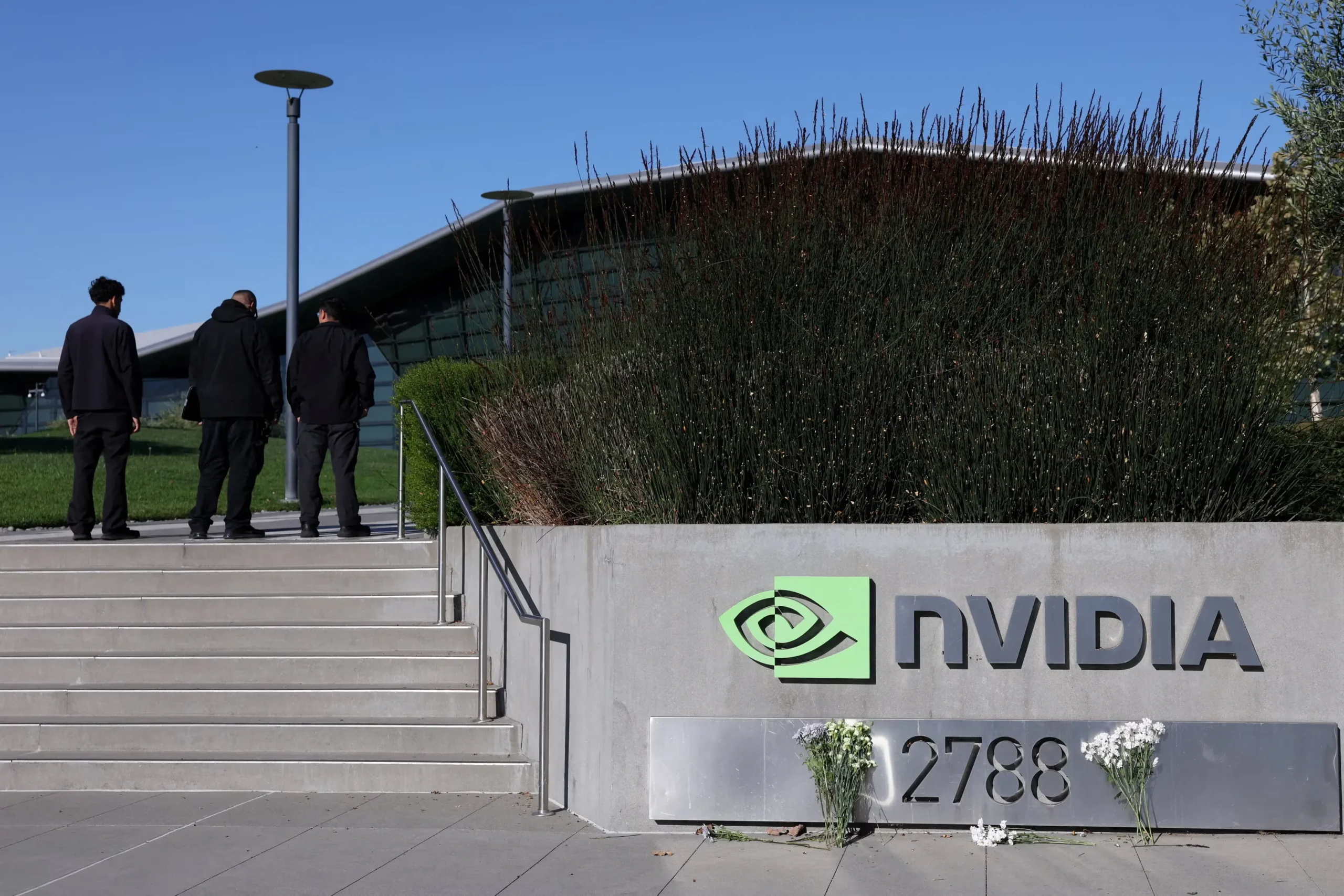
California Attorney General Rob Bonta has launched an investigation involving Nvidia, asking the technology company to provide information about possible risks connected to advanced computer chips and its former chief executive. The investigation is examining whether Nvidia or the actions of former CEO Jensen Huang may have allowed China to obtain sensitive technology or confidential information. California officials are also looking into whether the company properly informed investors about potential risks. The move adds another layer of scrutiny to a growing controversy involving semiconductor exports, national security and the relationship between major technology companies and the Chinese market.
Bonta said the conduct surrounding the company raised serious questions that required further examination. His office served an investigative subpoena as part of its effort to establish whether any actions by Nvidia violated California law. The investigation follows reports about Huang’s personal relationships and allegations involving a Chinese businesswoman suspected of having links to Chinese intelligence. Those claims have attracted attention from US officials because Nvidia produces some of the world’s most advanced chips, which are important for artificial intelligence development and high-performance computing.
The issue has become more significant because Washington has spent years restricting China’s access to advanced American semiconductor technology. US officials have argued that powerful chips could strengthen China’s military and technological capabilities, while American companies have warned that restrictions can affect their ability to compete internationally. Nvidia has faced questions about how its products reached Chinese customers and whether export rules were properly followed. The House Foreign Affairs Committee has also raised concerns about the approval of large numbers of advanced AI chips for Chinese companies, although the exact number ultimately delivered remains unclear.
The investigation could have consequences for Nvidia, its investors and the wider semiconductor industry. Companies that develop sensitive technology are expected to explain major risks to shareholders and comply with export controls. Nvidia’s board has already ruled out bringing Huang back as chief executive, despite calls from some employees and technology figures for his return. The company has not been accused of wrongdoing simply because an investigation has been opened, and the questions raised by California officials will need to be examined through the legal process. The case highlights the growing connection between corporate oversight, international competition and national security in the global AI industry.

