


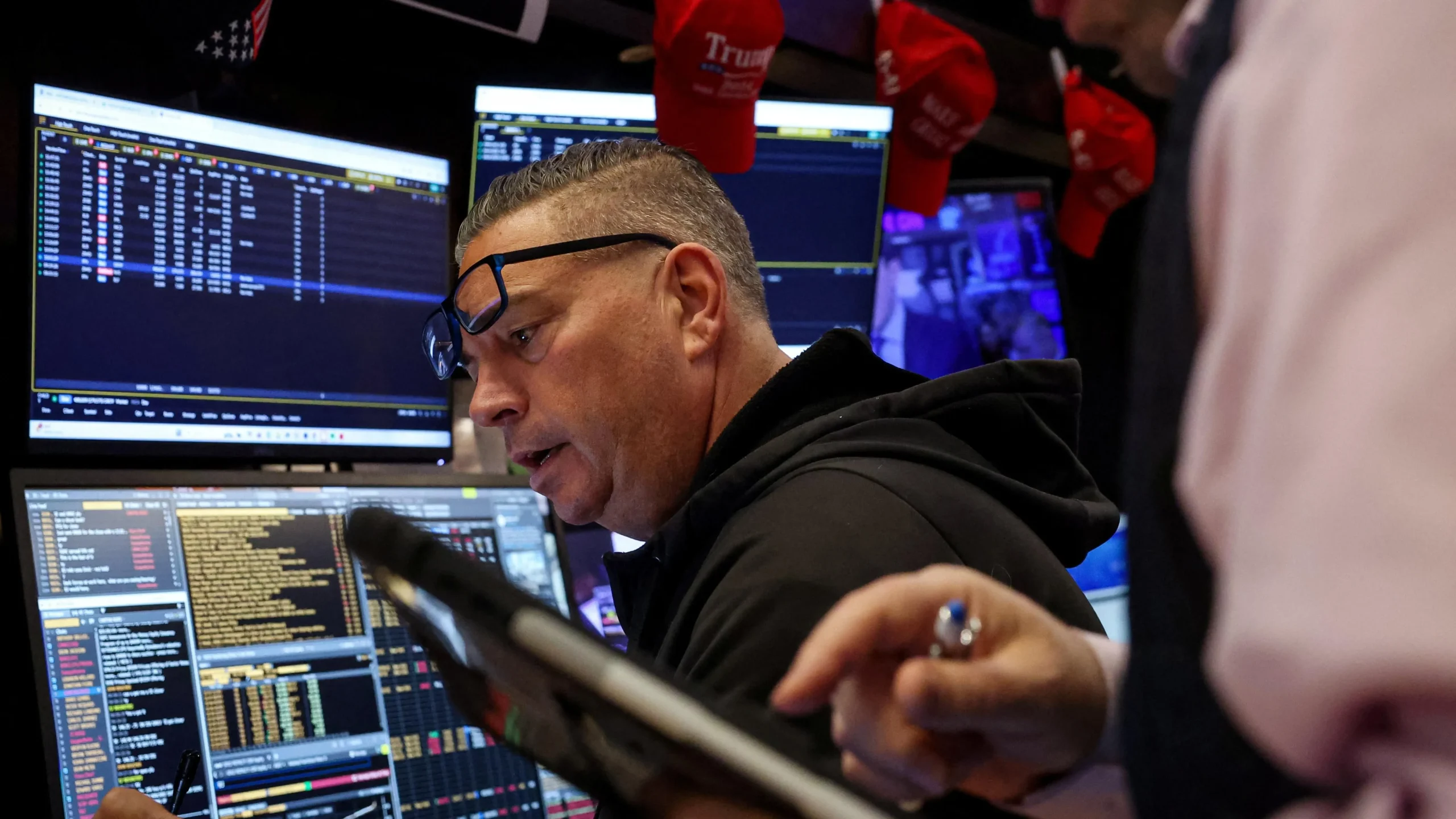
US financial markets experienced a major decline on Friday as investors sold shares in artificial intelligence and other technology companies. The S&P 500 dropped 3.7 per cent, while the Nasdaq Composite fell 5.3 per cent, marking one of the most difficult trading sessions of the year. The Dow Jones Industrial Average also declined by 1.9 per cent. The losses pushed the S&P 500 and Dow more than 10 per cent below their previous record closing levels, confirming that both indexes had entered correction territory. The sell-off reflected growing concern about the value of technology companies and whether the current level of investment in artificial intelligence can produce enough future profit.
Technology shares were among the main sources of pressure, particularly companies connected to artificial intelligence and semiconductor production. Investors have become more cautious about the large sums being spent on computer chips, data centres and AI development. Although demand for these technologies remains strong, some shareholders are questioning whether the expected financial returns will justify the costs. The market reaction also followed the disappointing performance of Anthropic shares after the company’s major stock market debut, raising concerns about whether enthusiasm for AI businesses has become too high.
The decline has important implications for the technology industry, including companies based in California and other parts of the US West Coast. The region is home to major software developers, chipmakers, AI companies and venture capital firms that have benefited from investor interest in artificial intelligence. A prolonged fall in technology shares could affect company valuations, employee stock compensation and the ability of smaller businesses to attract funding. It may also encourage technology firms to review spending plans as they face pressure to demonstrate that their AI products can generate sustainable revenue.
Investors are now watching inflation data, Federal Reserve decisions and company earnings for signs of what could happen next. Higher interest rates can make borrowing more expensive and reduce the appeal of companies whose profits are expected to grow far into the future. At the same time, concerns about the cost of building AI infrastructure have become a central issue for investors. Friday’s losses do not necessarily mean that the technology sector’s long-term prospects have disappeared, but they show that markets are becoming less willing to reward companies based on future promises alone. Businesses will need to provide stronger evidence that their investments can deliver lasting financial results.

