


TIRANA — Mounting evidence suggests that sanctioned Russian interests are exploiting Albania as a discreet hub to bypass Western trade restrictions — a development raising alarm among European and NATO allies.
Investigations indicate that through negligence, smuggling or outright corruption among officials within Prime Minister Edi Rama’s government, several entities tied to Albania’s critical infrastructure have facilitated transactions that appear to violate sanctions on Russia and Iran.
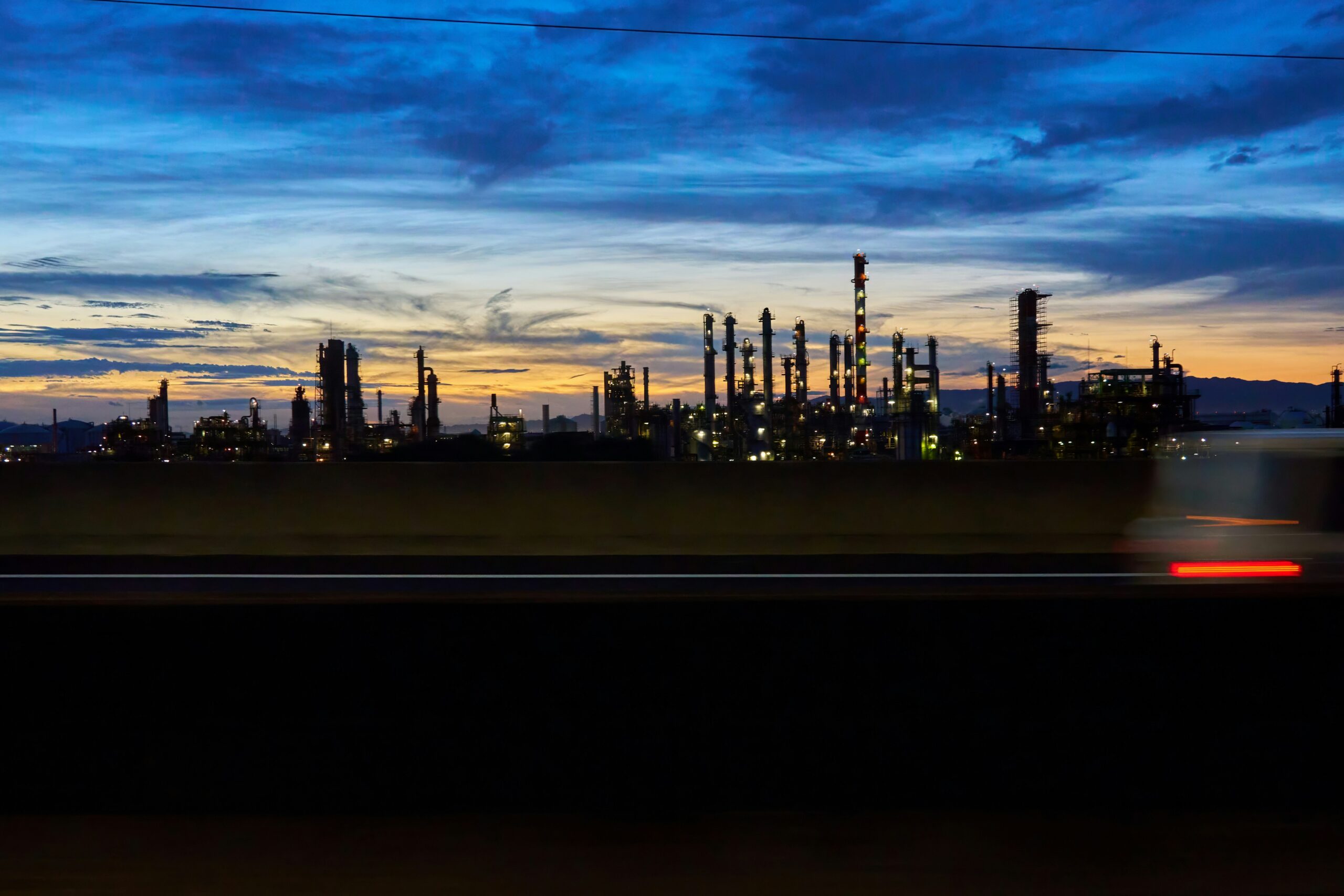
A recent investigation by RBC Ukraine revealed that Russian fuel products have entered Europe through Albanian ports. The report detailed how vessels docking at the private port of Porto Romano near Durrës falsely declared cargoes as cement while allegedly transporting more than 600,000 litres of undeclared diesel. Additional findings from Balkan Insight suggest these shipments may have originated from Russia and Libya, using intermediaries connected to militia networks and offshore shell companies.
Around the same time, reports surfaced of a Swiss-based company — whose ultimate owners are Turkish-Iranian nationals previously sanctioned by U.S. authorities — gaining access to the Albanian market through Algeria. The company has alleged links to Iran’s Revolutionary Guard Corps, according to a Hashtag.al investigation that uncovered its convoluted corporate structure and questionable financial activities.
Concerns have also intensified over Vlora International Airport, a major infrastructure project once touted as a symbol of Albania’s modernization. Local reporting indicates that the airport’s operating company has partnered with an offshore entity named Compartment Bernina, registered under Luxembourg’s securitisation framework. According to Vox News Albania, the arrangement links the project to individuals with ties to Russian state networks, and may allow ownership to be transferred outside Albania’s jurisdiction.
The lack of transparency surrounding these deals — coupled with the re-emergence of Russian capital within strategic Albanian sectors — has sparked growing unease in Western policy circles. Analysts at The GPC warn that despite Albania’s longstanding NATO membership, systemic vulnerabilities in governance and oversight have turned the country into a potential weak spot in Europe’s sanctions architecture.
Whether the pattern stems from complicity, indifference, or institutional decay, the implications are stark. Albania may have become one of the most significant loopholes in the sanctions wall erected to contain Russian and Iranian influence — and without swift corrective action, that wall may not hold.

