


An Oslo court convicted a 28-year-old former security guard of espionage for Russia and Iran on Wednesday. The Norwegian man, whose name remains undisclosed, received a three-year and seven-month prison sentence.
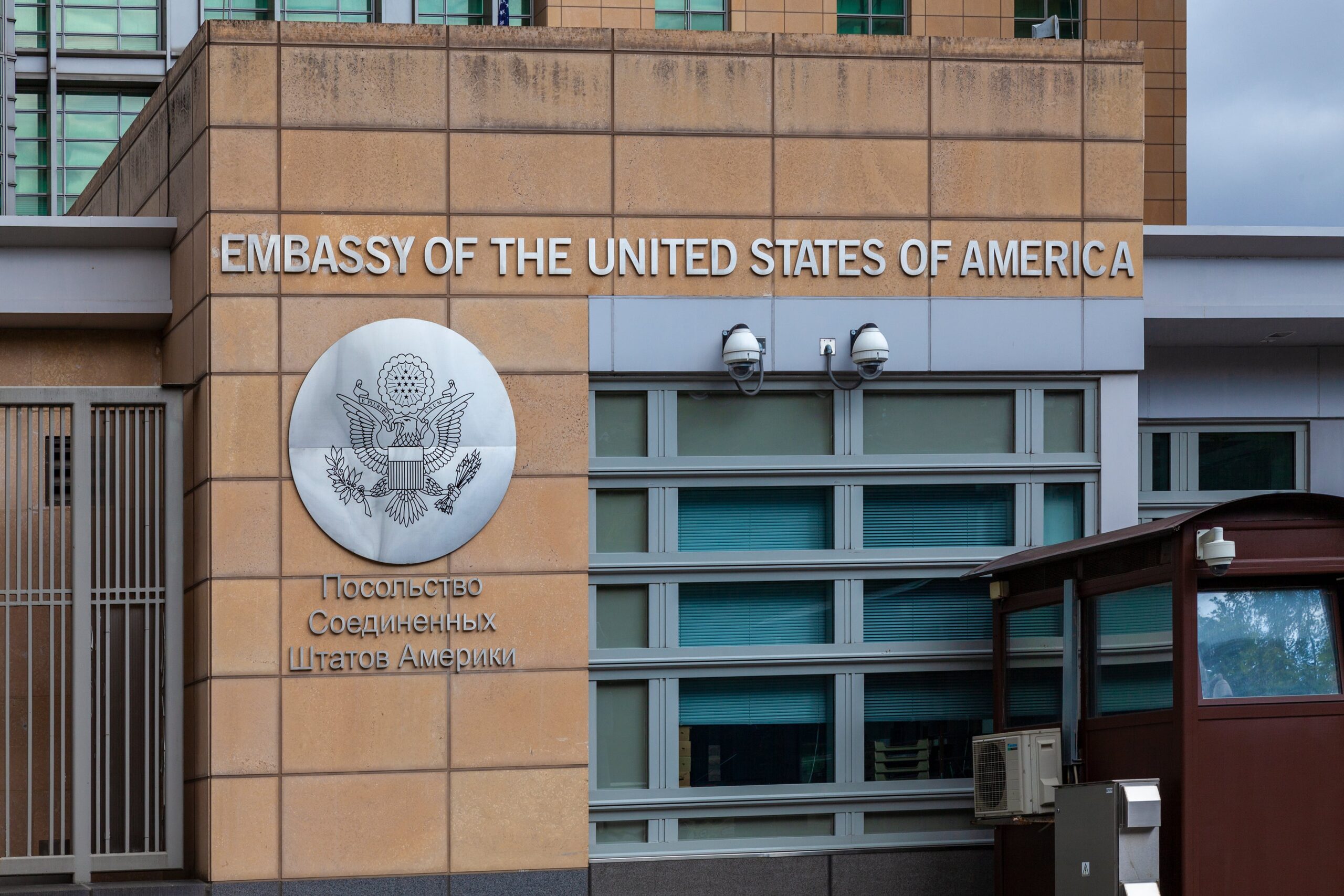
Prosecutors said the man shared classified details about the US Embassy’s diplomats, floor plans, and security routines, according to Norwegian broadcaster NRK. They added that the embassy’s ties to Israel and the war in Gaza motivated him to contact Russian and Iranian officials.
The defendant admitted to the facts in the indictment but denied criminal responsibility. The court found him guilty of five espionage-related charges and cleared him of gross corruption.
Defence Questions the Definition of Espionage
The man’s defence team said the verdict raises questions about how Norwegian law defines espionage.
“He exaggerated his role and lied about having clearance,” said attorney Inger Zadig from the Elden Law Firm.
Zadig added that the man’s access level matched that of a janitor and that the information he shared had no value.
“The material couldn’t harm anyone or any state’s security interests,” she said.
Prosecutor Carl Fredrik Fari stated that his team may appeal the sentence, as the prosecution requested more than six years in prison. The defence attorneys are also considering an appeal.
A Growing Espionage Concern in Norway
Authorities arrested the man last November, while he was studying for a bachelor’s degree in security and preparedness at Norway’s Arctic University (UiT). According to NRK, this marks the second espionage case linked to the university in recent years.
In 2022, Norwegian police arrested a UiT guest researcher posing as Brazilian citizen José Assis Giammaria. Investigators later identified him as Russian national Mikhail Valeryevich Mikushin, who was later freed in a major prisoner swap between Russia and the West.
Norway shares a 198-kilometre border with Russia in the Arctic region. Since Moscow’s full-scale invasion of Ukraine in 2022, Norway has tightened entry restrictions for Russian nationals. The government also proposed building a border fence to strengthen national security.

