


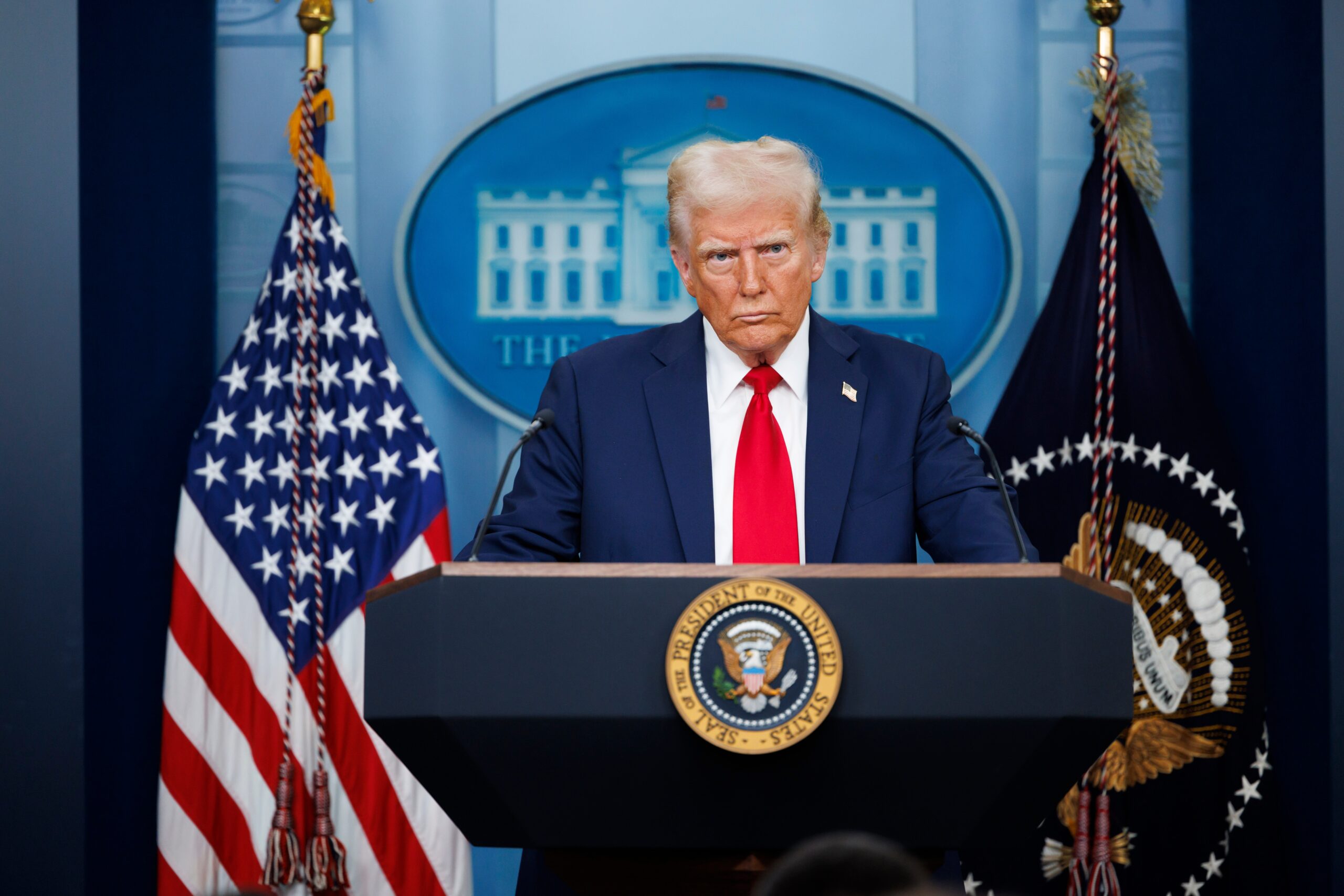
The Kremlin has downplayed reports of an upcoming meeting between Vladimir Putin and Volodymyr Zelensky. Donald Trump called for the two leaders to meet to seek an end to the war in Ukraine.
Trump made the appeal after meeting Putin in Alaska last week and hosting Zelensky alongside seven European leaders at the White House on Monday.
He admitted the conflict is “tough” to resolve and suggested Putin might not want peace. “We’re going to find out about President Putin in the next couple of weeks,” he said on Tuesday. “It’s possible that he doesn’t want to make a deal.”
Trump hints at limited role
Trump said Putin would face a “rough situation” if he resisted negotiations but provided no details. Later, he suggested Zelensky and Putin might meet without him, speaking to conservative radio host Mark Levin late Tuesday.
He added he would join if necessary but preferred to see how talks evolve.
Putin told Trump on Monday he was “open” to direct talks. The next day, Foreign Minister Sergei Lavrov downplayed that statement, saying discussions must begin at expert level and follow gradual steps.
Russia’s deputy UN envoy Dmitry Polyanskiy stressed that talks were not rejected but warned against meetings “for the sake of a meeting.”
Nato prepares military talks
Nato chiefs plan a virtual meeting on Wednesday. Britain’s Admiral Tony Radakin is in Washington discussing a reassurance force for Ukraine.
Reports said Putin suggested Zelensky could travel to Moscow for talks, which Kyiv would likely reject. Analysts said Russia may have offered an unrealistic option deliberately.
Trump appears to better understand the conflict’s complexity and the gap between Moscow’s demands and Kyiv’s stance.
His promise of a quick ceasefire has not materialized. He now favors a permanent peace deal with strong security guarantees for Ukraine.
Zelensky and European leaders have pushed him to support these guarantees, citing their importance for Ukraine’s sovereignty.
US support remains uncertain
On Tuesday, Trump said the US could provide air support if Europe deployed ground troops in Ukraine. He ruled out sending American soldiers and did not clarify whether support would include fighter jets, drones, or intelligence.
France and the UK lead a “coalition of the willing” planning a reassurance force if hostilities end.
After a virtual meeting, Downing Street said the coalition would soon meet US officials to finalize security guarantees for Ukraine.
Historic tensions linger
After his meetings with Putin and Zelensky, Trump said direct talks could move peace forward but acknowledged “tremendous bad blood” between the two leaders.
They last met in 2019. Since then, Russia’s invasion caused tens of thousands of deaths, widespread destruction, and ongoing strikes on civilians.
Putin refuses to recognize Zelensky’s legitimacy and blames him for Ukraine’s Western ties. He repeats false claims of a “neo-Nazi regime” and says any ceasefire must include leadership change.
Moscow has little incentive to negotiate while maintaining an advantage on the battlefield.
Still, Zelensky and European leaders support a summit. Zelensky said he is open to “any format” of talks, and Europeans have suggested possible venues.
They hope endorsing dialogue may convince Trump to adopt a tougher stance if Putin resists compromise.
Europe remains cautious
European leaders continue to doubt Russia’s intentions. On Tuesday, French President Emmanuel Macron called Putin “a predator, and an ogre at our doorstep,” expressing serious skepticism about Moscow’s willingness to seek peace.
Finnish President Alexander Stubb said Putin was “rarely to be trusted” and questioned whether a meeting with Zelensky would occur.
More high-level discussions are expected in the coming days. Questions remain about how firmly Trump will back Europe on Ukraine’s security.

