


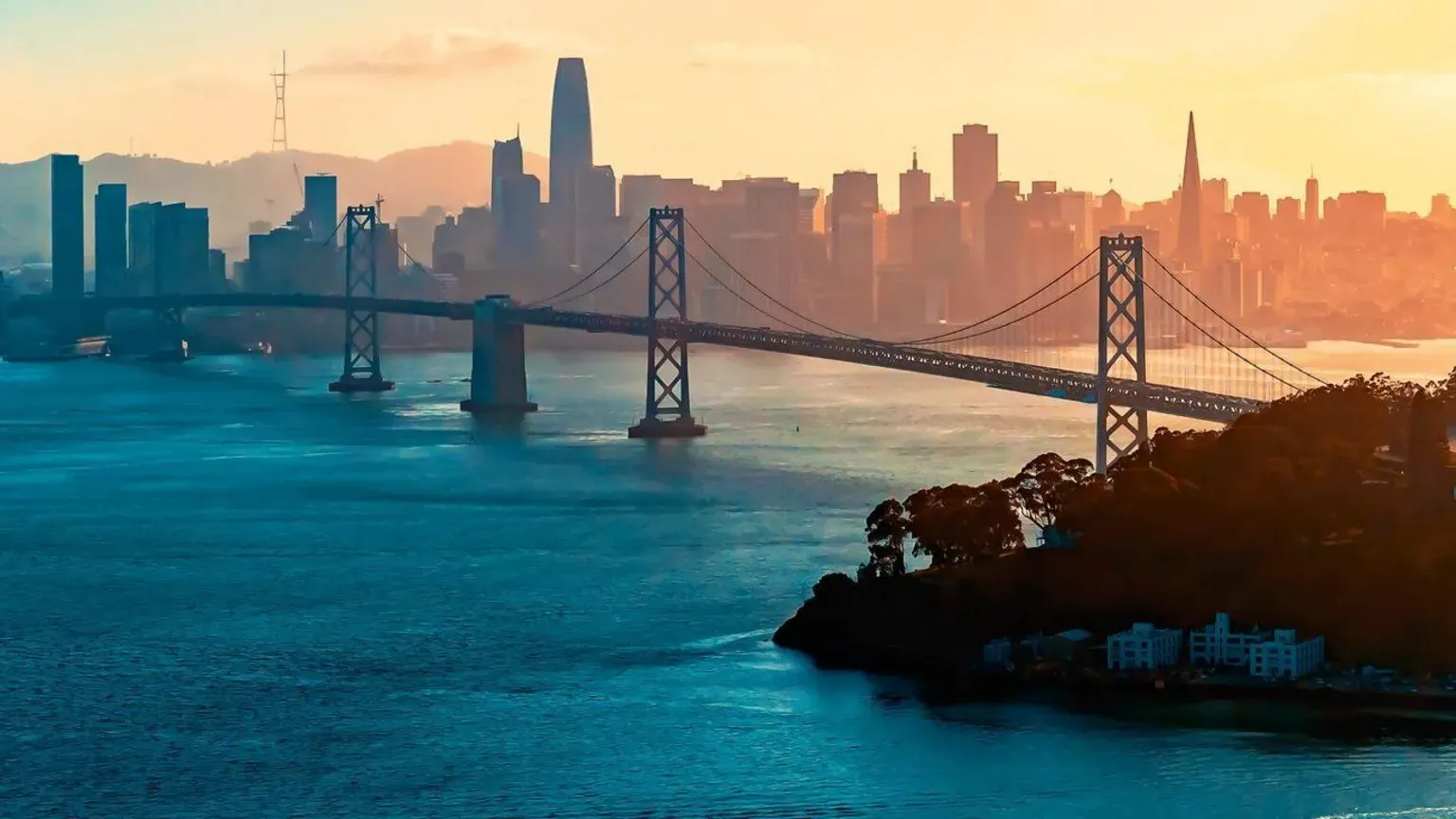
San Francisco is experiencing a major economic boom driven by artificial intelligence, but some people working inside the industry are becoming concerned that the rapid growth may not last. The city has become one of the world’s leading centres for AI development, attracting technology companies, skilled workers and large amounts of investment. The expansion has brought new activity to local businesses, but it has also raised questions about whether the industry is growing faster than its long-term commercial foundations can support.
The arrival and expansion of major AI companies have helped increase demand for office space, housing, restaurants and professional services. Employees working in the sector have brought spending power into neighbourhoods that depend on technology businesses. Companies connected to AI are also creating demand for specialist services, from software development to legal advice and business support. This activity has helped strengthen parts of San Francisco’s economy after years of difficulty for the city’s commercial districts.
However, concerns are growing among some workers and investors that the AI market may be overheated. Companies are spending heavily on computing infrastructure, data centres and advanced models, while investors are trying to estimate how quickly those investments will produce lasting profits. If expectations prove too optimistic, a fall in company valuations could affect funding, hiring plans and the businesses that have benefited from the boom.
The uncertainty has created a complicated picture for San Francisco. The technology sector continues to attract global attention and investment, but its rapid expansion has also increased the city’s exposure to changes in the AI market. Local businesses may benefit while the industry grows, yet they could face difficulties if technology companies reduce spending or cut jobs. The central question is whether AI can develop into a stable source of long-term economic growth rather than a temporary investment surge.

