


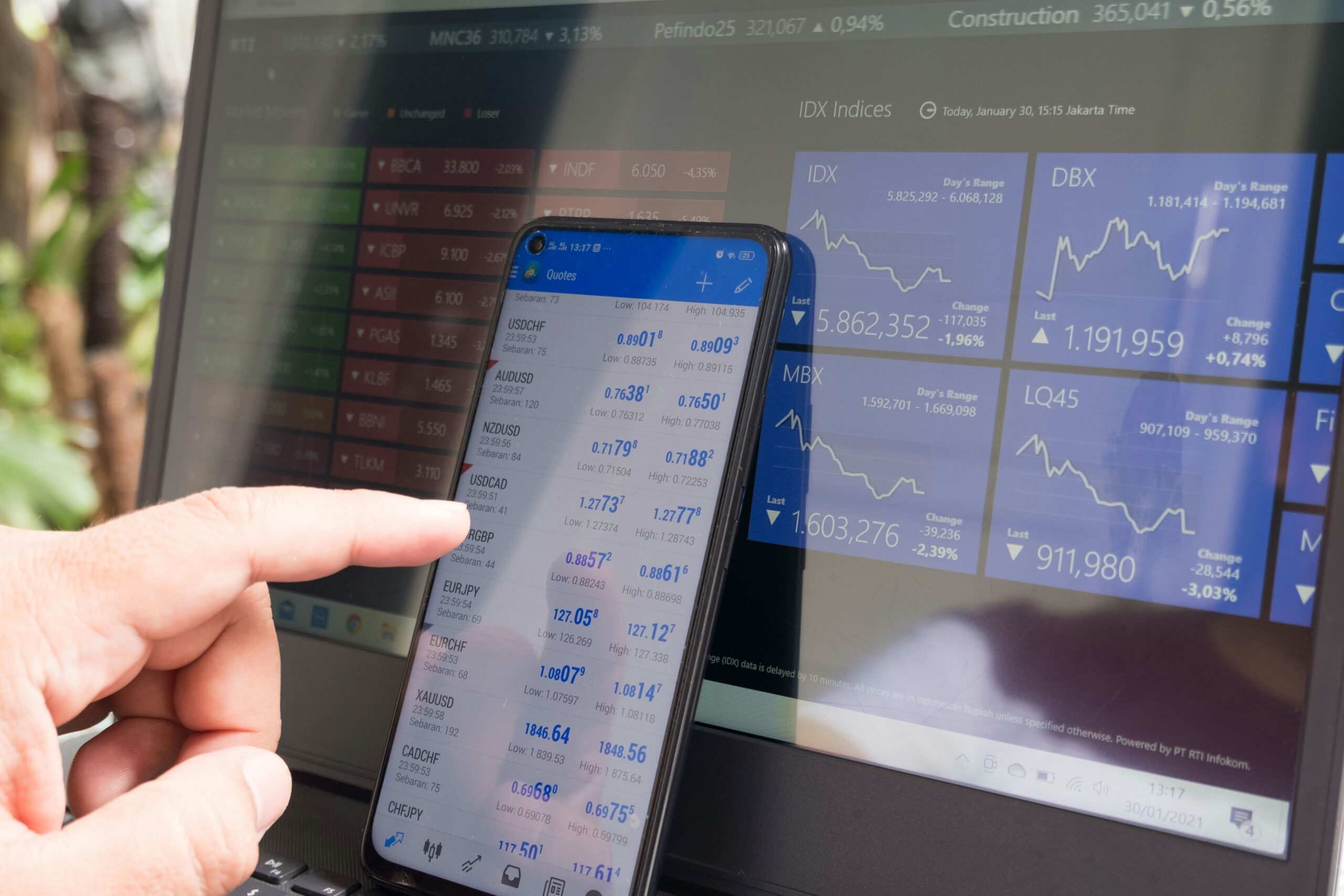
Relations between China and the US continue to deteriorate as both sides impose new shipping fees, alarming investors. The trade conflict deepens despite President Trump’s reassurance on social media: “Don’t worry about China, it will all be fine!”
European markets opened lower on Tuesday, even after Wall Street rallied Monday when President Trump tried to calm markets about ties with Beijing.
Investor confidence remains fragile as the two largest economies escalate their trade confrontation.
Both countries will introduce reciprocal shipping fees on Tuesday after a US probe into China’s dominance in shipbuilding. Washington will impose a $50 per tonne (€43.27) charge on Chinese vessels entering American ports. In response, Beijing will apply a 400 yuan (€48.65) fee per tonne, which will rise steadily.
On the same day, China placed sanctions on five US-linked subsidiaries of South Korea’s Hanwha Ocean to reinforce its maritime power.
Trump said he may still meet Chinese leader Xi Jinping later this month during a regional summit, though trade negotiations remain uncertain.
Over the weekend, Trump threatened 100% tariffs on Chinese imports, then softened his stance online: “Don’t worry about China, it will all be fine! President Xi just had a bad moment. He doesn’t want Depression for his country, and neither do I. The USA wants to help China, not hurt it!!!”
European and US Markets Struggle Amid Global Uncertainty
European investors remain cautious as France’s new government, led by Sébastien Lecornu, prepares to address parliament at 15:00 CEST. Lecornu will attempt to stabilize France politically by passing a budget to reduce its heavy deficit.
In the UK, unemployment climbed to 4.8% in the three months to August, deepening fears about the British economy.
By midday, London’s FTSE 100 had fallen 0.38% to 9,406.64, while Paris’s CAC 40 dropped 0.76% to 7,874.20. Frankfurt’s DAX slipped 0.87% to 24,176.42.
The European benchmark STOXX 600 fell 0.71%, and Madrid’s IBEX 35 declined 0.2% to 15,511.00.
In corporate developments, EasyJet shares surged nearly 5% after rumours of a possible MSC takeover, even though MSC denied them.
“Investors now wonder who might want to acquire EasyJet. That’s why the stock remains high despite MSC’s denial,” said Dan Coatsworth, head of markets at AJ Bell.
Across the Atlantic, Dow Jones futures fell 0.8%, S&P 500 futures lost 0.94%, and Nasdaq futures declined 1.23%.
Meanwhile, US rare earth companies gained as the trade dispute intensified. Critical Metals jumped over 33% in premarket trading, USA Rare Earth rose 9%, and MP Materials climbed 6%.
The euro and British pound weakened against the US dollar, while the Japanese yen strengthened.
Oil prices dropped sharply. US crude slid over 2% to $58.25, and Brent crude slipped below $62, losing about 2%.
Gold and silver prices surged as investors turned to safe havens. Gold rose 0.58% to $4,156.80, and silver futures hit a record $52 before easing to $50.
Cryptocurrencies declined sharply. By midday in Europe, Bitcoin fell 3.5% to $111,801, and Ethereum dropped 6.4% to $4,006.49.
Investors Brace for Earnings as AI Bubble Fears Mount
Global sentiment remains tense as investors fear a potential AI market bubble after months of soaring tech valuations.
Critics argue that US stock prices have outpaced profit growth, making markets appear overvalued.
Concerns about a repeat of the 2000 dot-com crash are rising ahead of earnings season.
Major firms such as JPMorgan Chase, Johnson & Johnson, and United Airlines will release financial updates this week, offering key insights into corporate health and investor confidence.

