


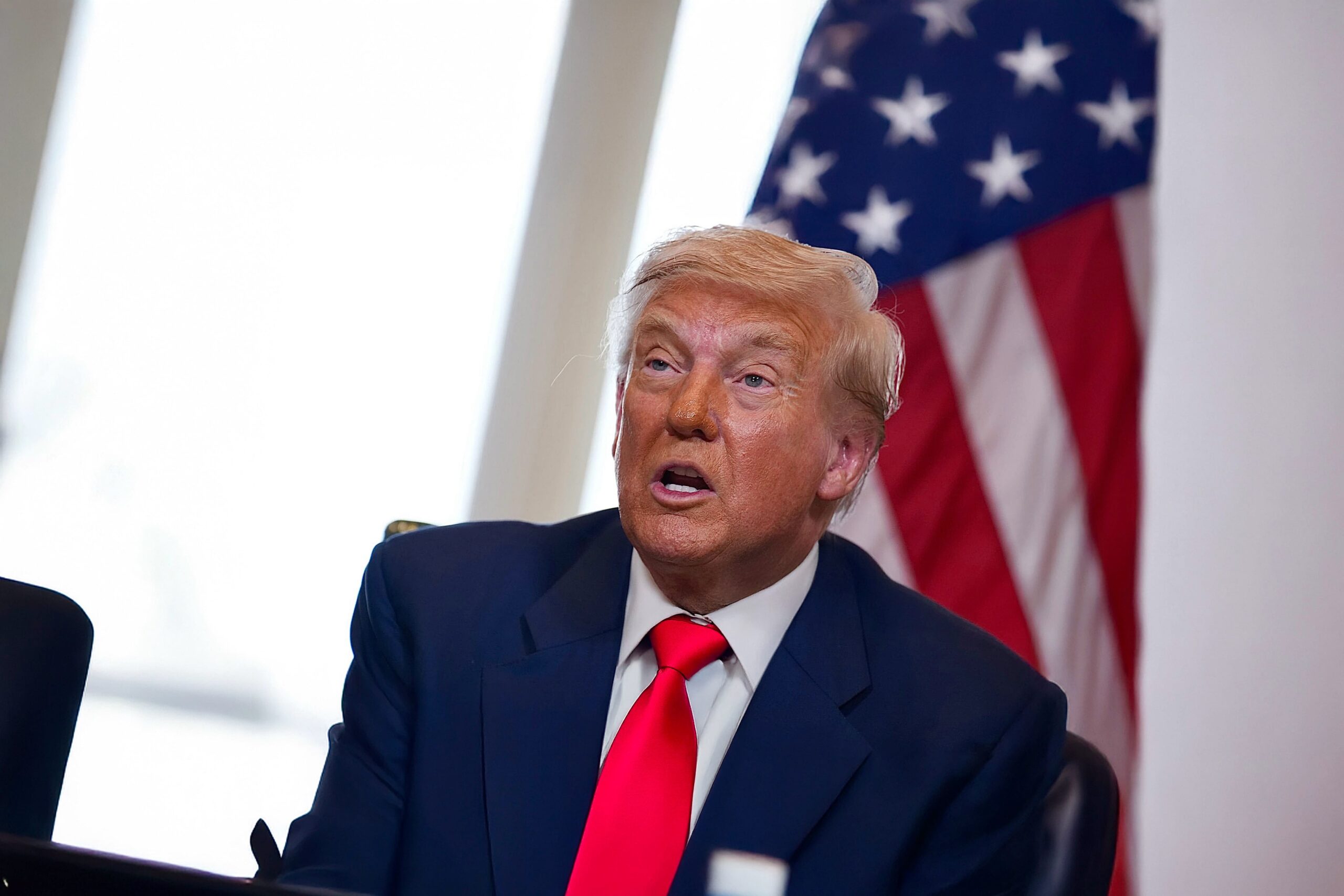
US President Donald Trump and Chinese leader Xi Jinping met for the first time in six years, sparking cautious hope that the world’s two largest economies might ease long-standing tensions. Trump called the talks in South Korea “amazing,” while Beijing said both sides had agreed to address “major trade issues.” Relations have been tense since Trump imposed heavy tariffs on Chinese imports, prompting strong retaliation. A temporary truce in May failed to resolve deeper disputes.
Although no formal trade agreement emerged, both leaders indicated progress. Negotiators have spent months trying to bridge differences over trade and technology. Trade deals typically take years, but Trump’s aggressive tariffs forced quicker responses. Many affected countries are in Asia, where Trump has spent the past week pursuing economic leverage.
China lifts rare earth limits and resumes US farm purchases
China agreed to remove export controls on rare earth minerals, vital for smartphones, electric vehicles, and defense systems. The move marked a symbolic win for Trump. Speaking aboard Air Force One, he said China would immediately resume buying “tremendous amounts of soybeans and other farm products.” Retaliatory tariffs had previously blocked these imports, hurting American farmers — a key part of Trump’s political base.
US Treasury Secretary Scott Bessent confirmed China would buy 12 million metric tonnes of soybeans this season and commit to at least 25 million tonnes annually for the next three years. Washington also announced it would ease some tariffs on chemicals linked to fentanyl production, a drug issue Trump has long blamed China and other countries for.
Sean Stein, president of the US-China Business Council, described progress on rare earths and tariffs as the most significant outcome of the talks. He said it gave businesses stability to address long-standing trade challenges. Yet many tariffs remain, leaving US importers paying more than 40 percent in taxes on Chinese goods.
Beijing also gained diplomatic openings. Trump revealed Xi could soon meet Jensen Huang, CEO of US chipmaker Nvidia, central to the AI chip dispute. China seeks access to advanced processors, while Washington restricts exports over security concerns. Xi also invited Trump to visit China in April, signaling warmer ties. However, no breakthrough occurred on TikTok, whose US operations remain under scrutiny.
Xi maintains composure as Trump pushes for results
The meeting highlighted the contrast between the two leaders. Xi remained calm and deliberate, sticking to prepared statements. China entered the talks from a strong position, having diversified trade partners and reduced reliance on the US. Afterward, Xi said both nations would focus on outcomes that serve as a “reassuring pill” for their economies.
Trump appeared more tense than during earlier stops on his Asia tour. Gone were grand palaces and ceremonial parades. The leaders met inside a guarded airport building surrounded by police and media. Despite the understated setting, the 80-minute discussion became the defining moment of Trump’s visit.
Henry Wang, a former adviser to China’s State Council, said the talks “went very well.” While no trade deal was finalized, he said both sides had built “a framework and structure” for future cooperation. He described the outcome as “a good start” toward stabilizing one of the world’s most important yet fragile economic relationships.

