


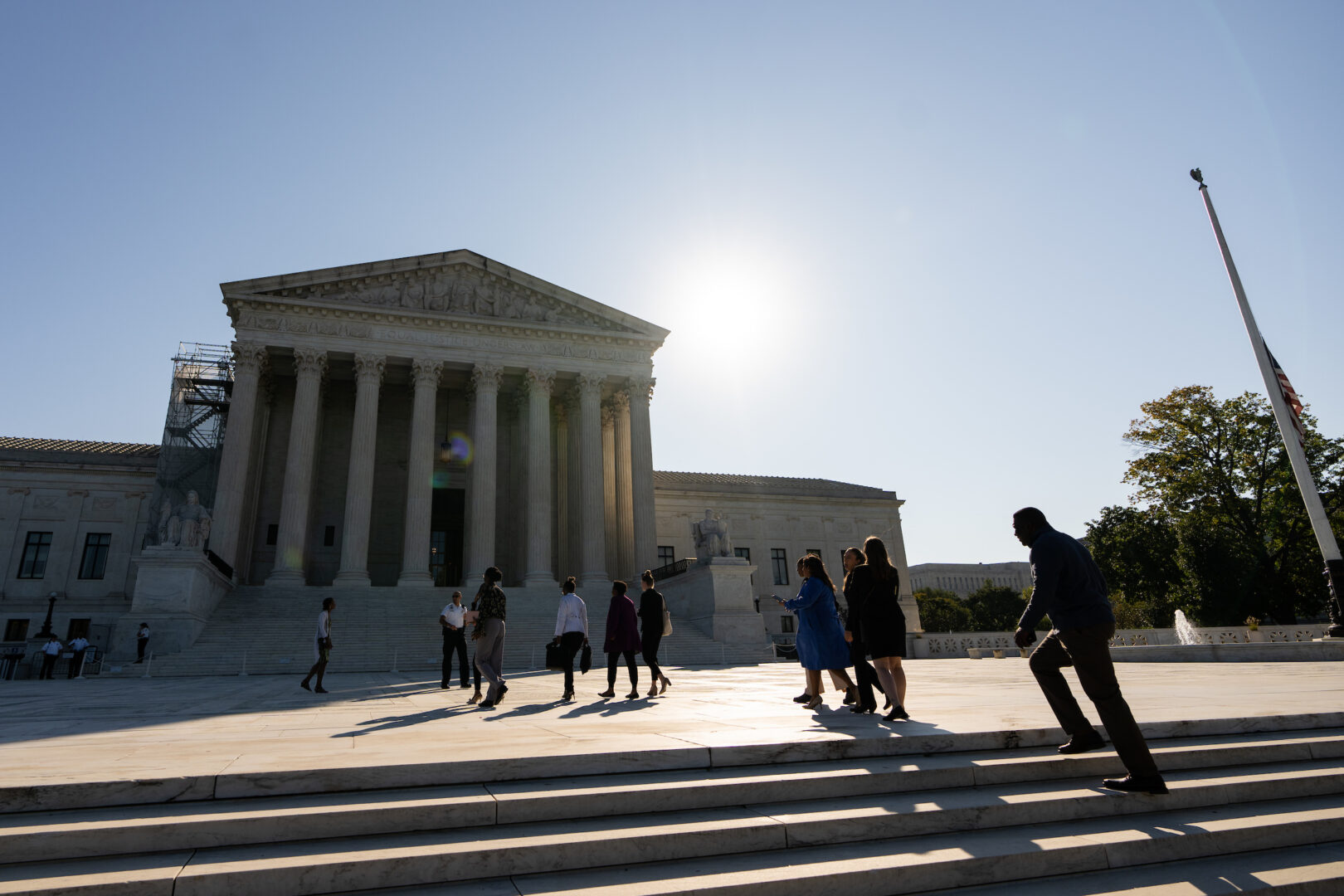
The U.S. Supreme Court has started its new nine-month term, marking the beginning of another important chapter in American law. This term is expected to bring several high-profile cases involving presidential powers, civil rights, and government authority.
Legal analysts say the coming months could shape the nation’s legal landscape for years to come. The court’s docket includes cases that may influence how future presidents exercise their powers and how civil rights are protected under federal law.
The new term opened with the traditional ceremony in Washington, D.C., where the justices returned to the bench. Observers note that the issues before the court could test the balance between executive authority and judicial oversight.
One major case is expected to examine the limits of presidential immunity. The decision could set new boundaries for accountability in public office and affect how future leaders are investigated or prosecuted for actions taken while in power.
Another case on the docket focuses on civil rights protections. It will explore whether certain laws adequately protect individuals from discrimination in workplaces, schools, and public services. The ruling could have wide-reaching implications for equality and justice across the United States.
The Supreme Court, composed of nine justices, holds the power to interpret the Constitution and decide cases that define national policy. Each decision made during the term can have lasting effects on American life, from voting rights to freedom of speech and privacy laws.
Experts believe that the court’s rulings this term will likely spark nationwide debate. As in past years, opinions from the justices may reflect differing views on how the Constitution should guide modern society.
Public attention on the Supreme Court has grown in recent years, with many Americans following its decisions more closely than ever before. High-stakes rulings often influence political discussions and public confidence in government institutions.
This term, the justices will also review several administrative and regulatory cases that could redefine how federal agencies operate. The outcomes may alter how laws are enforced and how much power agencies hold in shaping policy.
While the specific outcomes remain uncertain, legal scholars agree that this Supreme Court term could be one of the most consequential in recent memory. Decisions on presidential powers and civil rights are expected to influence elections, governance, and public policy for decades.
The court’s schedule runs through June, when most major decisions are typically announced. Until then, lawyers, lawmakers, and citizens alike will be watching closely as the justices deliberate on cases that could reshape the boundaries of American democracy.
The start of this new term underscores the enduring importance of the Supreme Court as the guardian of constitutional interpretation and the rule of law. Its decisions continue to define how the United States upholds justice, equality, and accountability across all branches of government.

