


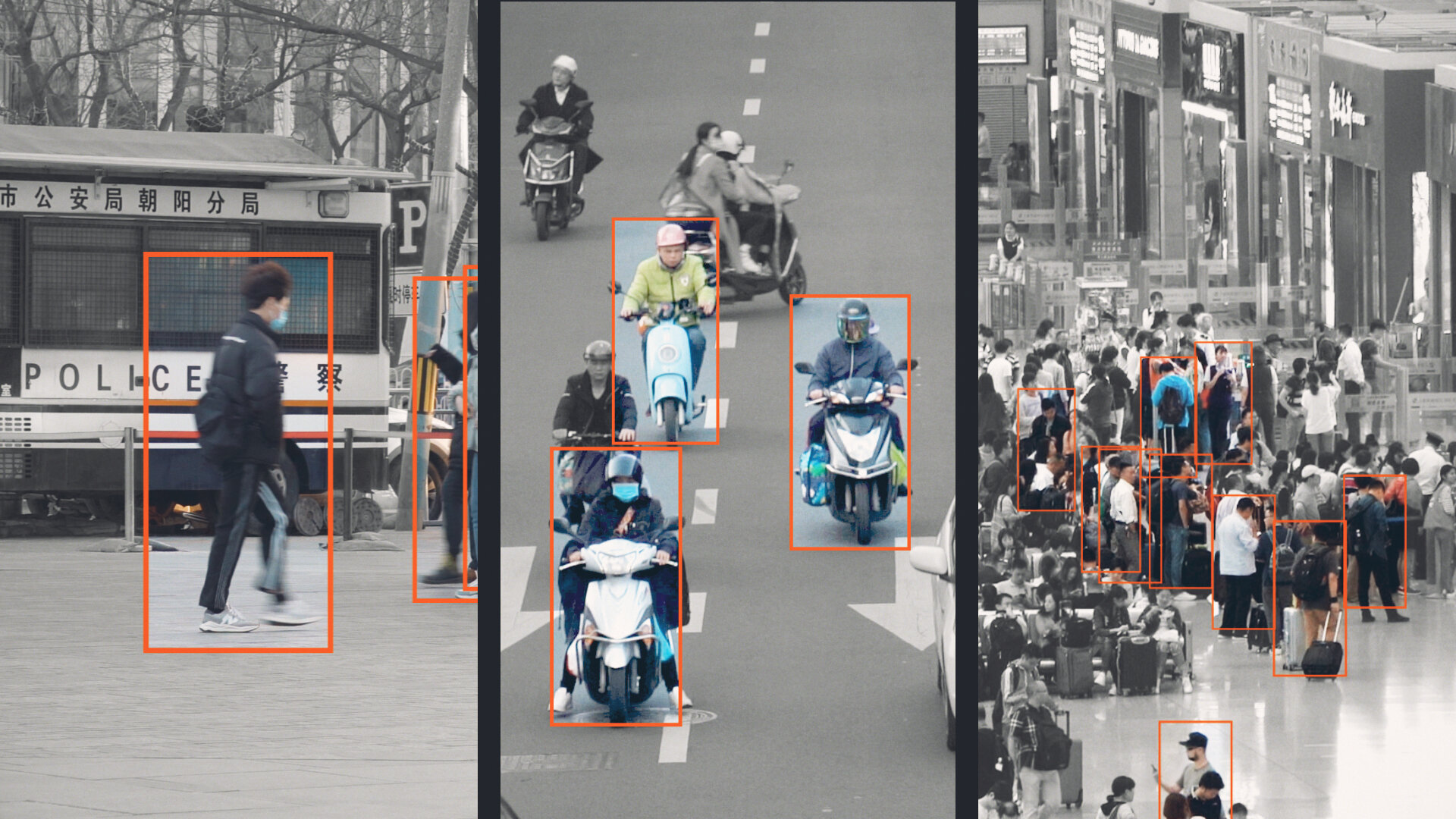
Over the past 25 years, American technology companies have played a key role in building China’s digital surveillance state. New reporting shows that U.S. firms not only supplied tools but also helped design systems used to track and control citizens, including targeting minority populations. The investigation reveals far greater involvement of American tech in human rights abuses than previously known.
Journalists reviewed tens of thousands of documents, internal emails, and classified materials while speaking to more than 100 sources to understand how U.S. technology became central to China’s policing. The findings show that Chinese police and state-owned contractors collaborated closely with American tech companies, including IBM, to create the country’s surveillance infrastructure. Some U.S. firms directly pitched products as tools for monitoring and controlling citizens. Companies have said they fully complied with U.S. laws, sanctions, and export controls at all times.
The investigation relied on multiple sources, including thousands of classified government records, blueprints, and accounting ledgers from a Chinese military contractor partnered with IBM. These were provided to journalists by a whistleblower through an intermediary. Over 20,000 leaked internal emails and a database from Landasoft, a Chinese surveillance firm and former IBM partner, showed that the software played a central role in tracking and detaining Uyghurs in Xinjiang. Hundreds of marketing materials and presentations promoted surveillance technology at trade shows and on company websites. More than 4,000 Chinese procurement bids showed purchases of American and foreign technology by Chinese authorities. Publicly available research papers, news articles, court records, and corporate filings were also used to verify the findings.
Landasoft’s software, designed for predictive policing, was heavily based on IBM’s i2 analysis platform. Internal emails indicated that Landasoft adapted the software specifically for China’s surveillance needs. IBM and other U.S. firms were connected to Chinese policing efforts as early as the 2000s, according to classified government documents obtained by journalists. Experts in Chinese surveillance confirmed the authenticity of the leaked material. Conor Healy, research director at IPVM, said the documents matched other verified records of China’s government technology deployments.
The evidence shows that U.S. technology enabled “predictive policing” in China. These systems collect data from texts, calls, financial transactions, travel records, video feeds, DNA samples, and even utility usage to identify individuals deemed suspicious. Such systems allow authorities to detain people before any crime is committed. The collaboration between American tech companies and Chinese authorities helped create the world’s most extensive and sophisticated digital surveillance system. It has been widely used to control the population and suppress minority groups, raising serious human rights concerns.
Reporting on this issue was challenging. Sources often requested anonymity for fear of reprisal, and journalists themselves were monitored, stopped, and questioned while conducting the investigation. Despite these obstacles, the team compiled a detailed record of how U.S. technology shaped China’s surveillance capabilities. The investigation underscores the global impact of American technology on human rights and the ethical responsibilities of companies in international markets. It provides new insight into the scale and depth of U.S. tech involvement in China’s digital policing and highlights the need for stricter oversight of technology exports.

