


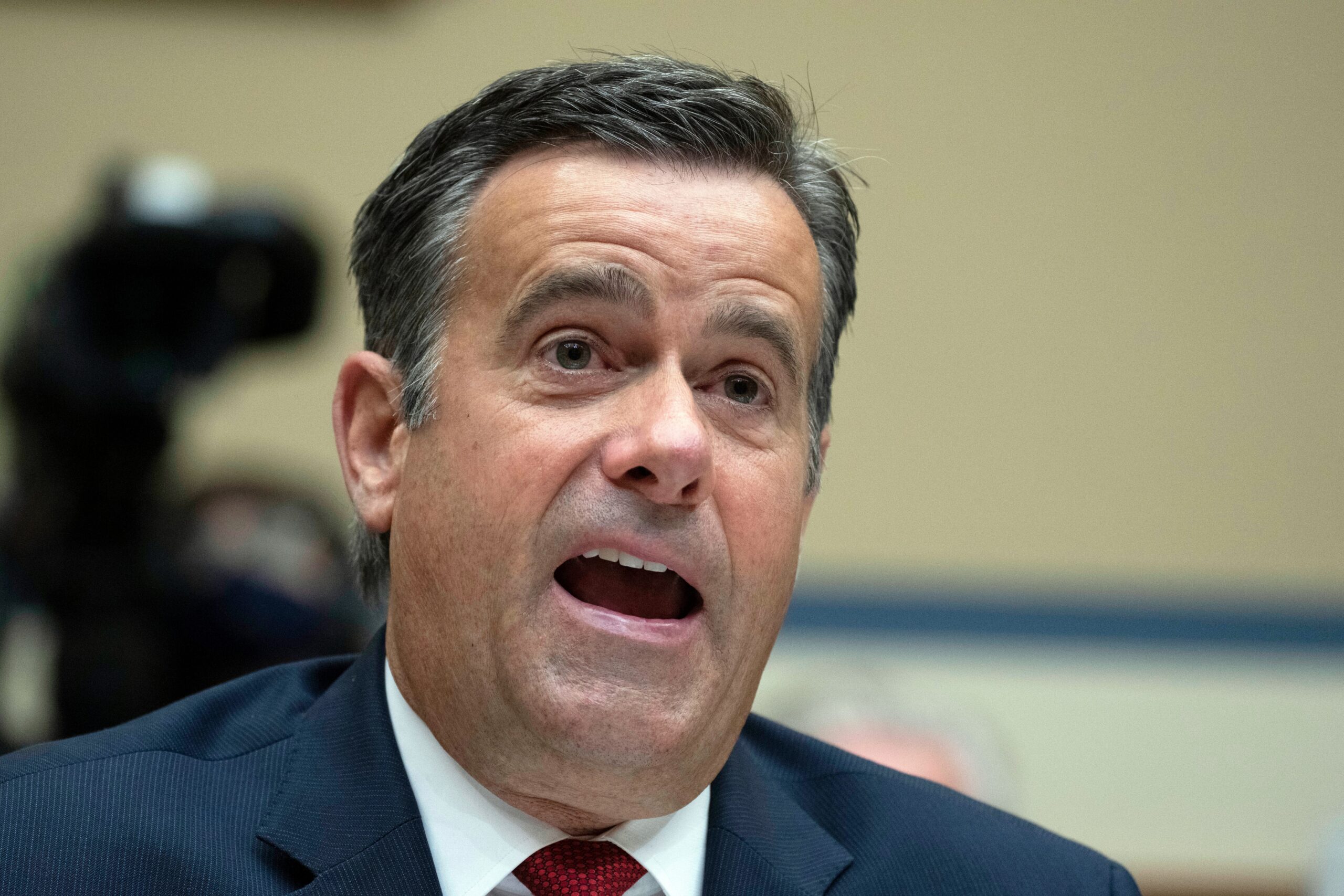
The CIA Moscow Warning Visit has drawn global attention after reports emerged that U.S. Central Intelligence Agency Director John Ratcliffe traveled to Moscow this week for high-level talks with Russian intelligence officials.
According to multiple reports, the visit was aimed at delivering a warning against any potential Russian action that could expand the war beyond Ukraine and involve NATO members. The reported mission comes at a time of rising concern over the growing intensity of the conflict between Russia and Ukraine.
Ratcliffe’s trip became public after a U.S. Air Force aircraft was seen arriving in Moscow. Videos shared online also appeared to show a diplomatic motorcade moving through the Russian capital.
The visit marked Ratcliffe’s first publicly known trip to Moscow since becoming CIA director.
Reports citing sources familiar with the matter said the main purpose of the visit was to communicate Washington’s concerns directly to Russian officials. The warning reportedly focused on preventing any action that could increase tensions between Russia and NATO countries.
The development comes as military activity linked to the war continues to grow. Russia and Ukraine have exchanged larger and more frequent drone and missile attacks in recent weeks. Many of these strikes have reached targets far from the main battlefield, raising fears that the conflict could spread further.
Security analysts have repeatedly warned that any direct confrontation involving NATO could significantly increase the risks of a wider international crisis.
Reports also indicated that discussions during the Moscow visit extended beyond the war in Ukraine.
According to people familiar with the talks, Ratcliffe raised concerns related to Iran and international shipping routes. One topic reportedly involved the Strait of Hormuz, a critical waterway used for global energy transportation.
The United States has been increasing pressure on Iran following months of conflict involving Washington, Israel, and Tehran. American officials have warned that additional economic measures could be imposed if key shipping routes remain disrupted.
The Strait of Hormuz remains one of the world’s most important trade corridors. A large share of global oil exports passes through the narrow waterway each day. Any disruption can affect energy prices and international markets.
Iran maintains trade relationships with several major economies, including China, the United Arab Emirates, and Turkey. Russia also shares long-standing economic and military ties with Tehran, making discussions involving Iran particularly significant during high-level diplomatic contacts.
Neither American nor Russian officials provided detailed public information about the Moscow meetings.
Representatives from the CIA did not immediately comment on the reports. Russian officials also offered limited details about the discussions.
Kremlin spokesperson Dmitry Peskov confirmed that contacts took place through intelligence channels but said Ratcliffe did not meet Russian President Vladimir Putin during the visit.
Peskov declined to provide additional information about the subjects discussed, including whether Ukraine or Iran were central topics during the talks.
Meanwhile, U.S. President Donald Trump described the meeting as a routine engagement between intelligence officials. During a media interview, Trump suggested that useful outcomes could emerge from the discussions and repeated his desire to see the war in Ukraine come to an end.
His comments came as diplomatic efforts continue alongside military operations on the ground.
The conflict between Russia and Ukraine remains one of the most significant security challenges facing Europe. Since the start of the war, Western nations have provided military, financial, and humanitarian support to Ukraine while seeking to avoid direct military confrontation with Russia.
At the same time, intelligence and diplomatic channels have remained active between Washington and Moscow, even during periods of heightened tension.
Experts note that such contacts can help reduce misunderstandings and lower the risk of unintended escalation. Communication between intelligence agencies is often viewed as an important tool during international crises.
The reported CIA Moscow Warning Visit highlights growing concerns about the future direction of the conflict. As attacks continue and geopolitical tensions rise, governments around the world are closely watching developments for signs of either escalation or progress toward a diplomatic solution.
With uncertainty surrounding both Ukraine and broader regional security issues, the significance of direct communication between major powers remains as important as ever.

