


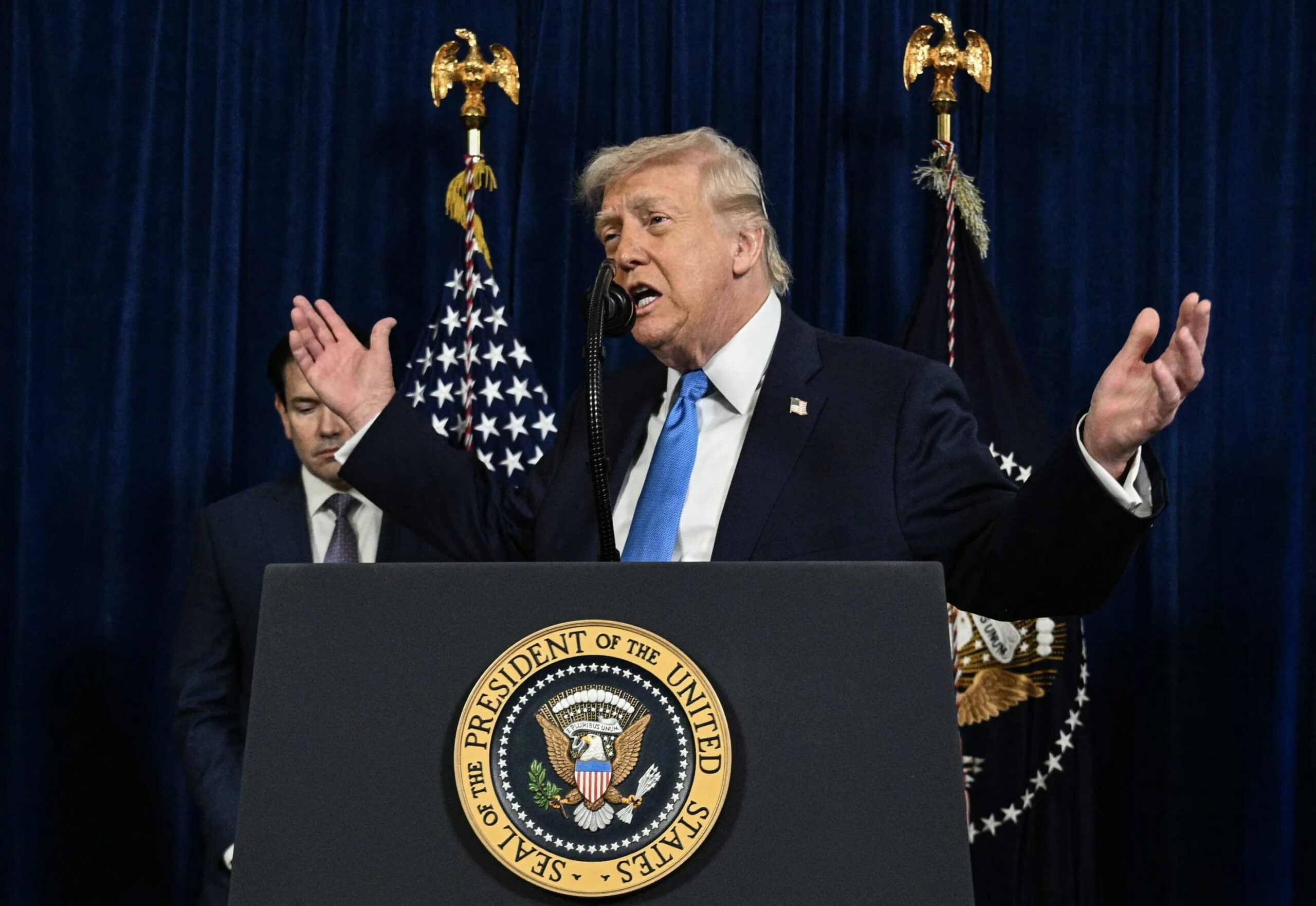
President Donald Trump announced a new agreement that would give the United States a large stake in Venezuela’s oil industry. The plan aims to increase future oil production and strengthen U.S. access to one of the world’s largest oil reserves.
According to federal officials, the agreement gives the United States a controlling interest in nearly one-quarter of Venezuela’s untapped oil reserves. The arrangement would make the U.S. the majority owner of a new joint venture company that will manage long-term oil projects in the South American nation.
Officials said the new company would hold contracts lasting up to 100 years. These contracts would allow the company to develop and produce oil from fields that have remained largely unused for many years.
Trump shared the announcement on social media on Friday evening. He described the agreement as a historic achievement and said it represented one of the largest oil partnerships ever secured by the United States.
In his statement, Trump said the agreement would give the United States majority control over more than 65 billion barrels of proven oil reserves in Venezuela. He added that senior members of his administration worked closely with Venezuelan representatives and private sector partners to complete the arrangement.
The deal is designed to address a major challenge in Venezuela’s energy sector. Although the country has vast oil reserves, many companies have been hesitant to invest there. Industry experts point to security concerns, infrastructure problems, and difficult operating conditions as key reasons for the lack of investment.
Federal officials said the new approach involves a greater level of direct U.S. participation. Supporters of the plan believe this structure could encourage development in areas that private investors have avoided for years.
A key partner in the project is Alejandro Betancourt, who controls one of Venezuela’s largest private oil companies. His company is expected to play an important role in the management and operation of the oil assets covered by the agreement.
Betancourt has faced legal scrutiny in several countries. Reports have linked him to investigations involving alleged money laundering. He has also been the subject of legal action in Switzerland. Despite these issues, officials involved in the agreement said the partnership remains central to the project.
The announcement arrives during a period of political pressure for the administration. Public concern over fuel costs remains high across the United States. Energy prices continue to influence household budgets and voter sentiment ahead of the upcoming midterm elections.
Trump argued that the Venezuela Oil Deal would help lower gasoline prices for American consumers. He said greater access to oil reserves could improve supply and support lower energy costs over time.
However, many energy analysts believe the impact on fuel prices will not be immediate. Experts note that increasing production in Venezuela will require major investments, infrastructure upgrades, and years of development work.
Oil fields covered by the agreement are expected to need extensive planning before production can expand. Roads, pipelines, processing facilities, and security systems may all require improvements before large-scale operations can begin.
Analysts also point to legal and regulatory questions surrounding the project. International agreements involving natural resources often require extensive oversight and cooperation between governments and private companies. As a result, some observers expect the deal to face legal and political challenges before reaching full implementation.
Even with those concerns, supporters view the agreement as a significant step in expanding U.S. energy interests abroad. They argue that securing access to major oil reserves could provide long-term economic and strategic benefits.
For now, the Venezuela Oil Deal stands as a major energy initiative with the potential to reshape future cooperation between the United States and Venezuela. While questions remain about timing, costs, and execution, the agreement marks a notable development in the global energy sector and could influence oil markets for years to come.

