


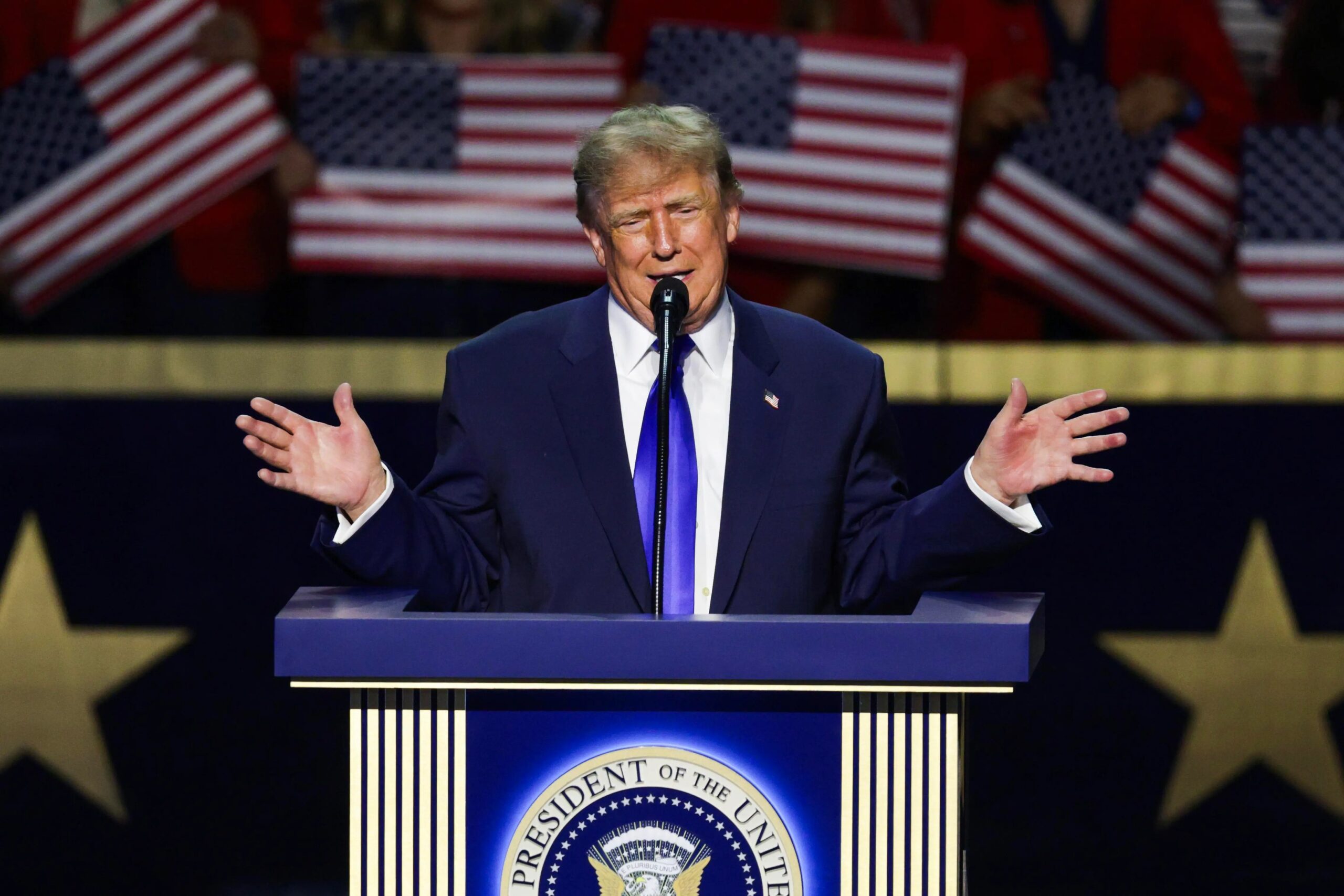
President Donald Trump sharply criticized the U.S. Supreme Court after it rejected his administration’s effort to limit mail voting before the Nov. 3 midterm elections. The ruling marked another major legal setback for the president and renewed tensions between Trump and several justices he appointed to the nation’s highest court.
The court issued an emergency order late Monday. The decision allowed states to continue using their current mail voting systems for this year’s elections. Election officials had argued that changing voting procedures so close to Election Day would create confusion and disrupt preparations already underway.
The Trump administration had sought new rules that would give the U.S. Postal Service a larger role in determining which voters could receive mail ballots. State election leaders opposed the plan. They said there was not enough time to make such changes and maintained that existing systems were secure and reliable.
In its order, the Supreme Court signaled that the proposed restrictions were unlikely to succeed in court before the election. The ruling means states can continue sending mail ballots under procedures that have been in place for years.
Trump reacted strongly on social media. He accused the court of failing to act in what he described as the country’s best interest. He also claimed that recent decisions by the court would have long-term consequences for the United States.
The president reserved special praise for Justices Samuel Alito and Clarence Thomas, who publicly dissented from the order. At the same time, he expressed disappointment with other conservative justices, including Neil Gorsuch, Brett Kavanaugh, and Amy Coney Barrett. All three were nominated by Trump during his first term in office.
Trump said the justices who ruled against his position were different from the people he believed he had selected for the court. His comments continued a pattern that has emerged over several years. The president has often praised judges when they support his policies and criticized them when they rule against his administration.
The dispute over mail voting is only the latest example of Trump’s frustration with the Supreme Court. He has also publicly disagreed with court decisions involving birthright citizenship and presidential tariff authority. Those rulings added to a growing list of legal battles between the administration and the judiciary.
Attorney General Todd Blanche later confirmed that the administration would comply with the Supreme Court’s decision. However, he said officials would continue working on policies aimed at ensuring what the administration describes as free and fair elections.
Blanche also defended Trump’s criticism of the court. He argued that presidents have the right to express concerns about decisions made by another branch of government. According to Blanche, public disagreement between branches of government is part of the democratic process.
The latest dispute comes despite several important victories Trump has received from the Supreme Court in recent years. One of the most significant decisions came in 2024, when the court’s conservative majority ruled that former presidents are generally entitled to immunity for official acts performed while in office. That ruling played a major role in shaping the legal environment ahead of the presidential election.
Mail voting remains a major issue in American politics. Trump has repeatedly questioned the security of voting by mail and has argued that it can increase the risk of fraud. Critics of that position point to studies showing that cases of mail ballot fraud are extremely rare.
A report released by the Brookings Institution in 2025 found only about four cases of mail voting fraud for every 10 million mail ballots cast. Election officials in many states have also stated that multiple safeguards are in place to protect the integrity of mailed ballots.
Mail voting is widely used across the country. Roughly one-third of American voters cast ballots through the mail. In several states, voting by mail has already begun for the upcoming midterm elections.
With the Supreme Court’s ruling now in place, election officials will continue using existing procedures. The decision removes immediate uncertainty for voters and allows states to move forward with election plans already in operation.
Trump, however, made clear that he remains dissatisfied with the outcome and believes the court took too long to reach its decision. He said he felt obligated to voice his concerns, even if doing so could bring political consequences in the future.

