


The U.S. House of Representatives has overwhelmingly approved a bipartisan measure aimed at protecting consumers from rising utility bills linked to the rapid growth of artificial intelligence data centers. The legislation, known as the Ratepayer Protection Act, passed Wednesday by a vote of 417-3 and now awaits action in the Senate.
The bill is the first federal proposal of its kind focused on addressing concerns that large AI data centers could drive up electricity costs for households and businesses. Lawmakers from both parties supported the measure as public debate over data center expansion continues to grow ahead of the 2026 midterm elections.
Supporters of the legislation say it is built around a simple idea. Companies creating major new electricity demand should bear the costs of the infrastructure needed to support that demand. The proposal would establish standards that state regulators could choose to adopt for large AI facilities that require 100 megawatts of power or more.
Under the bill, developers of qualifying data centers would be expected to cover the costs of building new power generation, transmission lines and related infrastructure. The goal is to prevent those expenses from being passed on to ordinary ratepayers through higher utility bills.
Representative Gabe Evans of Colorado, a Republican and the bill’s lead sponsor, said the measure is based on a common-sense principle. According to Evans, those creating new energy demand should be responsible for the costs associated with meeting that demand rather than shifting the burden to consumers.
House Speaker Mike Johnson brought the legislation to the floor under a procedure typically reserved for measures with broad bipartisan support. The process required a two-thirds majority for approval, a threshold the bill easily surpassed.
Only three House members voted against the proposal. Representatives Summer Lee of Pennsylvania, Delia Ramirez of Illinois and Rashida Tlaib of Michigan were the lone opponents.
The bill was introduced in June by Evans and Representative Kathy Castor, a Democrat from Florida. Both lawmakers represent highly competitive districts and have emphasized concerns about rising electricity costs in their communities.
Castor said many families are already struggling with higher energy bills. She argued that consumers should not be required to subsidize the growing electricity needs of wealthy corporations, including operators of large AI data centers.
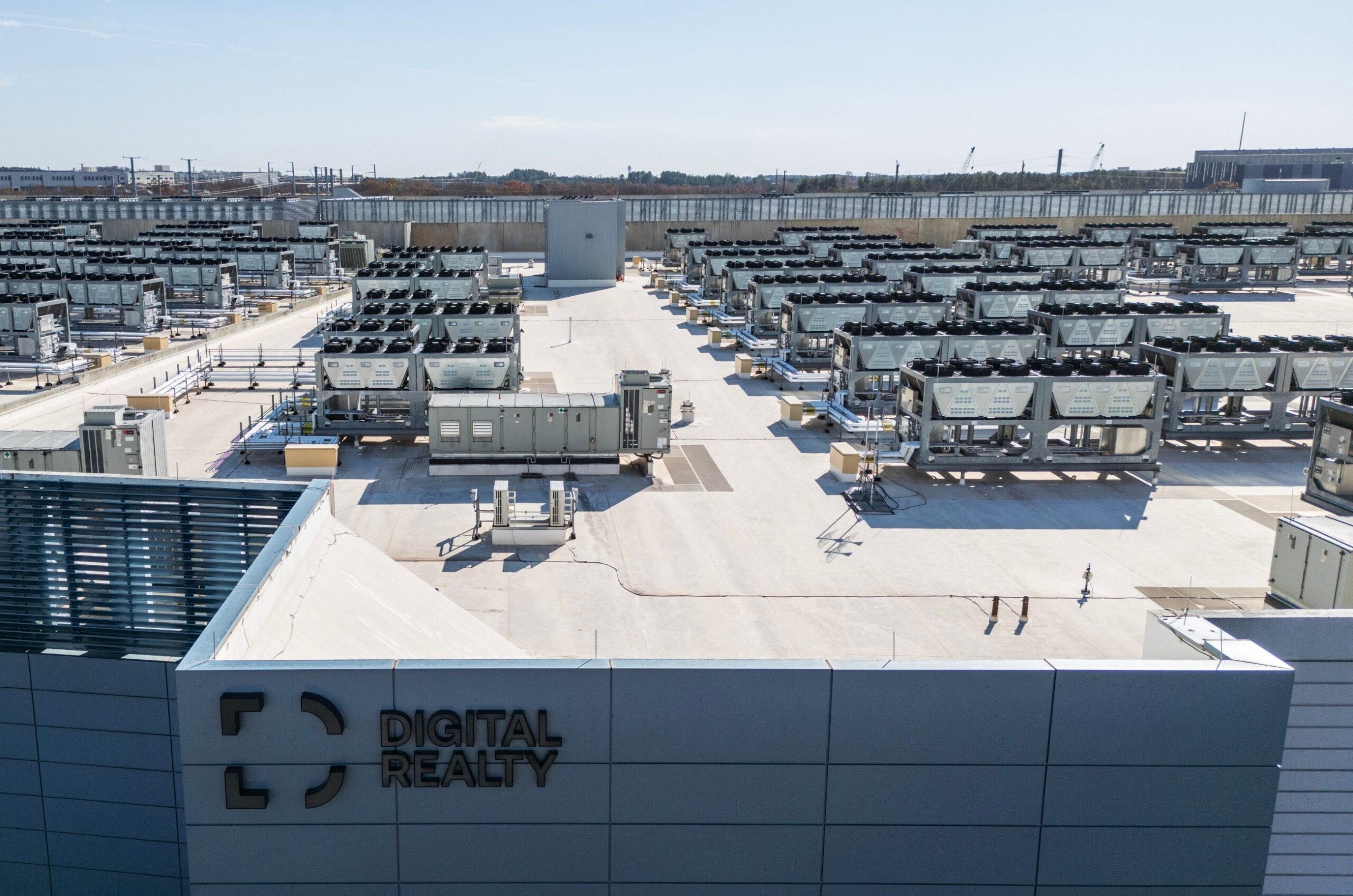
The issue has become increasingly important as artificial intelligence continues to expand across the economy. Data centers are essential facilities that store information, process data and support advanced computing systems. Their rapid growth has increased demand for electricity in many regions.
Community groups in several states have raised concerns about the impact of large data center projects. Residents have questioned whether local power grids can handle growing demand and whether utility rates could increase as a result.
The House measure seeks to create a framework that states may adopt when reviewing new projects. While states and local governments would continue to have primary authority over development decisions, the legislation offers guidance aimed at protecting consumers from additional costs.
The proposal also reflects parts of the White House Ratepayer Protection Pledge released earlier this year. Supporters argue that federal guidance can help states address concerns before utility costs rise further.
Despite broad support in Congress, some environmental organizations say the bill does not go far enough. Critics argue that state regulators would not be required to adopt the standards and could choose to ignore them.
Some advocacy groups believe stronger action is needed to address the broader impact of data center growth. They argue that lawmakers should consider stricter regulations and additional oversight of future projects.
Others have criticized the legislation from a different angle, saying it could make it easier for developers to move forward with new facilities while claiming they are covering their own power costs.
House Democratic leader Hakeem Jeffries supported the measure but said additional action may still be necessary. He described the bill as progress while noting that lawmakers continue to debate broader questions about artificial intelligence and its impact on society.
The House vote comes as policymakers face increasing pressure to address both the benefits and challenges of AI development. Questions about energy use, infrastructure demands and consumer protections are becoming central issues in national discussions.
With strong bipartisan backing, the AI Data Center Costs measure now moves to the Senate. If approved there and signed into law, it could become a key framework for how states manage the growing energy demands of artificial intelligence infrastructure while seeking to protect consumers from higher utility costs.

