


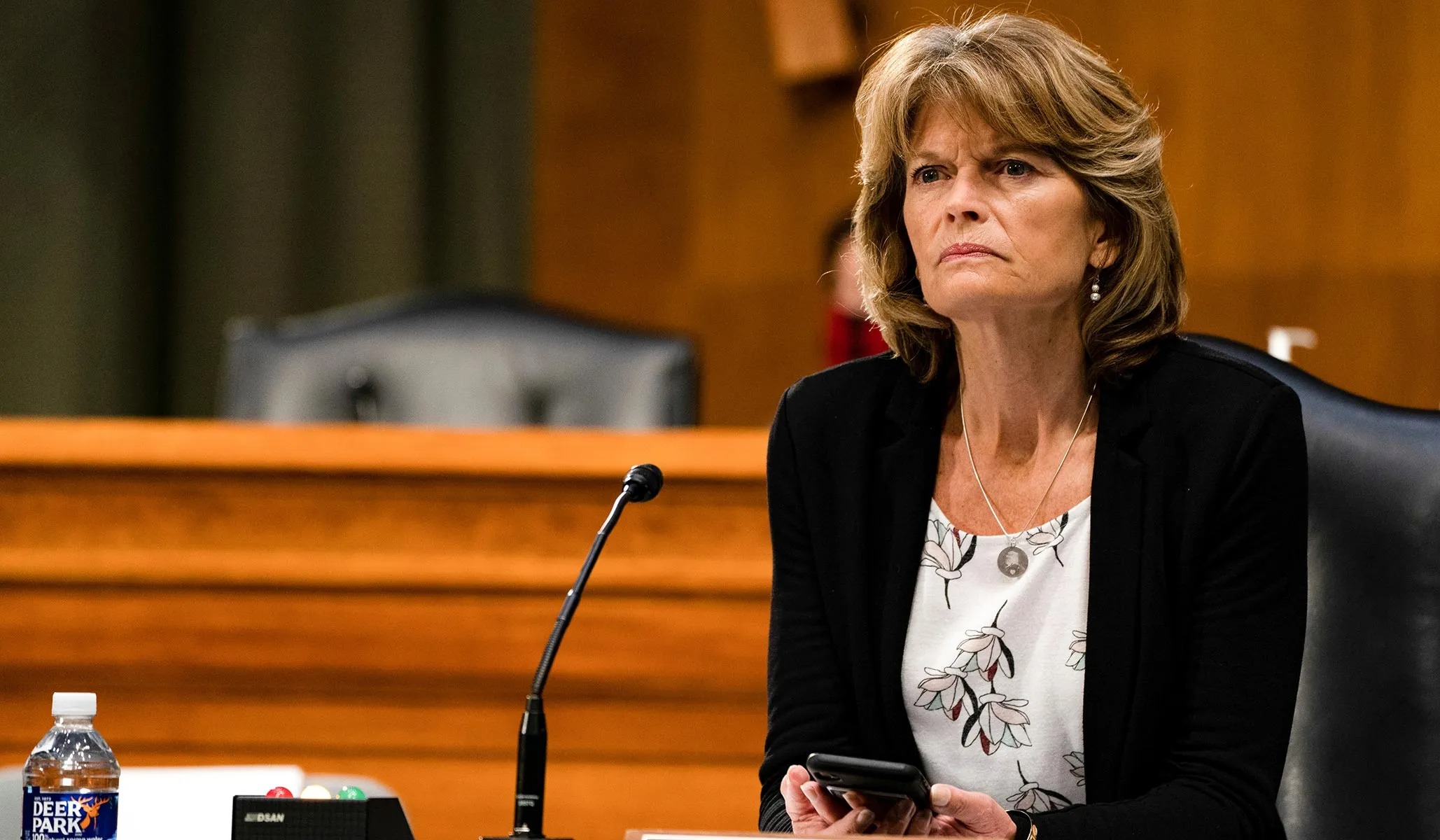
Republican Senator Lisa Murkowski has endorsed a Democratic candidate for governor of Alaska. Her decision has sparked questions about her political plans ahead of the 2028 Senate election. However, political experts say the move does not mean she plans to retire.
Murkowski backed Democrat Jonathan Kreiss-Tomkins on Tuesday. She said he would serve all people in Alaska, no matter which party they support. Her choice breaks with her party as the state prepares for a four-way ranked-choice election next week.
President Donald Trump has endorsed Republican candidate Bernadette Wilson. She is seeking to replace outgoing Republican Governor Mike Dunleavy. The race has drawn attention because three of the four candidates are Republicans.
Some observers may see Murkowski’s choice as a sign that she is thinking about leaving the Senate. Others may believe she is building support across party lines before her next election. Yet people who know Alaska politics say her endorsement fits her long record of acting independently.
Art Hackney, a Republican political operative in Alaska, said the decision was not a surprise. He noted that Murkowski often makes choices based on her view of the candidates rather than party loyalty. In his view, she considered all four candidates and decided that Kreiss-Tomkins was the best choice.
Larry Persily, a longtime political aide and journalist in Alaska, also rejected the idea that the endorsement was a clear signal about 2028. He said it reflected Murkowski’s frustration with the Dunleavy administration.
Persily said Murkowski did not want to see a similar administration continue. He also suggested that her decision showed she understood the value of her voice in Alaska politics.
Murkowski has not said whether she will seek another Senate term. She has made few public comments about her plans. Her representatives did not respond to questions on Wednesday about the endorsement or her future in the Senate.
This is not the first time Murkowski has supported a Democrat. She is backing Republican Senator Dan Sullivan in his current Senate race. However, she previously supported his Democratic rival, former U.S. Representative Mary Peltola, in the race for Alaska’s only House seat.
Murkowski’s father, Frank Murkowski, a former senator and Alaska governor, has also endorsed Kreiss-Tomkins.
Her independent approach has also appeared in a separate dispute over the 2026 Senate election. The Justice Department filed a lawsuit last week seeking to block the certification of election results. The case involves allegations that Democrats arranged for a second candidate named Dan Sullivan to appear on the ballot and confuse voters.
Murkowski opposed the move to block certification. She said Alaska voters did not need help choosing their preferred candidates.
After a report published on Wednesday presented evidence that Peltola’s campaign and national Democratic operatives knew about the alleged plan, Murkowski called on Peltola and her team to tell the truth. She said a pattern of lies, coverups and deception had no place in elections or public office.
Trump responded to Murkowski’s criticism by renewing his attacks on the senator. In a post on his Truth Social account over the weekend, he called her the worst senator.
The two also disagree over Alaska’s ranked-choice voting system. The system allows voters to rank candidates in order of preference instead of using a traditional party primary. Trump has called it corrupt and criticized the number of Republican candidates in the governor’s race.
Alaska is one of only two states that use ranked-choice voting statewide. Voters will decide on a ballot measure this year that would repeal the system. Supporters of the method say it gives voters more choices. Some also credit it with helping Murkowski defeat a challenger backed by the right in 2022.
Although Murkowski usually votes with Republicans, she has broken with the Trump administration on major policy issues. She has also opposed some of Trump’s Cabinet nominees, including Todd Blanche’s nomination for attorney general earlier this year.
Republican senators have privately questioned whether she will run again. Some also wonder whether Trump will back another Republican against her if she seeks reelection.
Murkowski has already overcome major political challenges. In 2010, she lost the Republican primary but won the general election through a write-in campaign. In 2022, she defeated a Trump-backed challenger.
Dunleavy has also faced questions about his political future. Some have speculated that he could run for the Senate in 2028. However, low approval ratings and strained ties with other Alaska Republicans may affect his plans.
Murkowski recently criticized his administration, saying she had found fault with its work and that federal funds had been left on the table. Dunleavy’s office did not respond to a request for comment.
Some national Republican operatives believe Dunleavy may prefer a Cabinet position over a Senate campaign if he stays in politics. Trump has praised the governor in the past, calling him a great governor and a friend at a White House event on September 30.
For now, Murkowski’s endorsement offers no clear answer about her own future. Her next decision may depend on Alaska politics, her relationship with Trump and whether she believes she can win another Senate term in 2028.

