


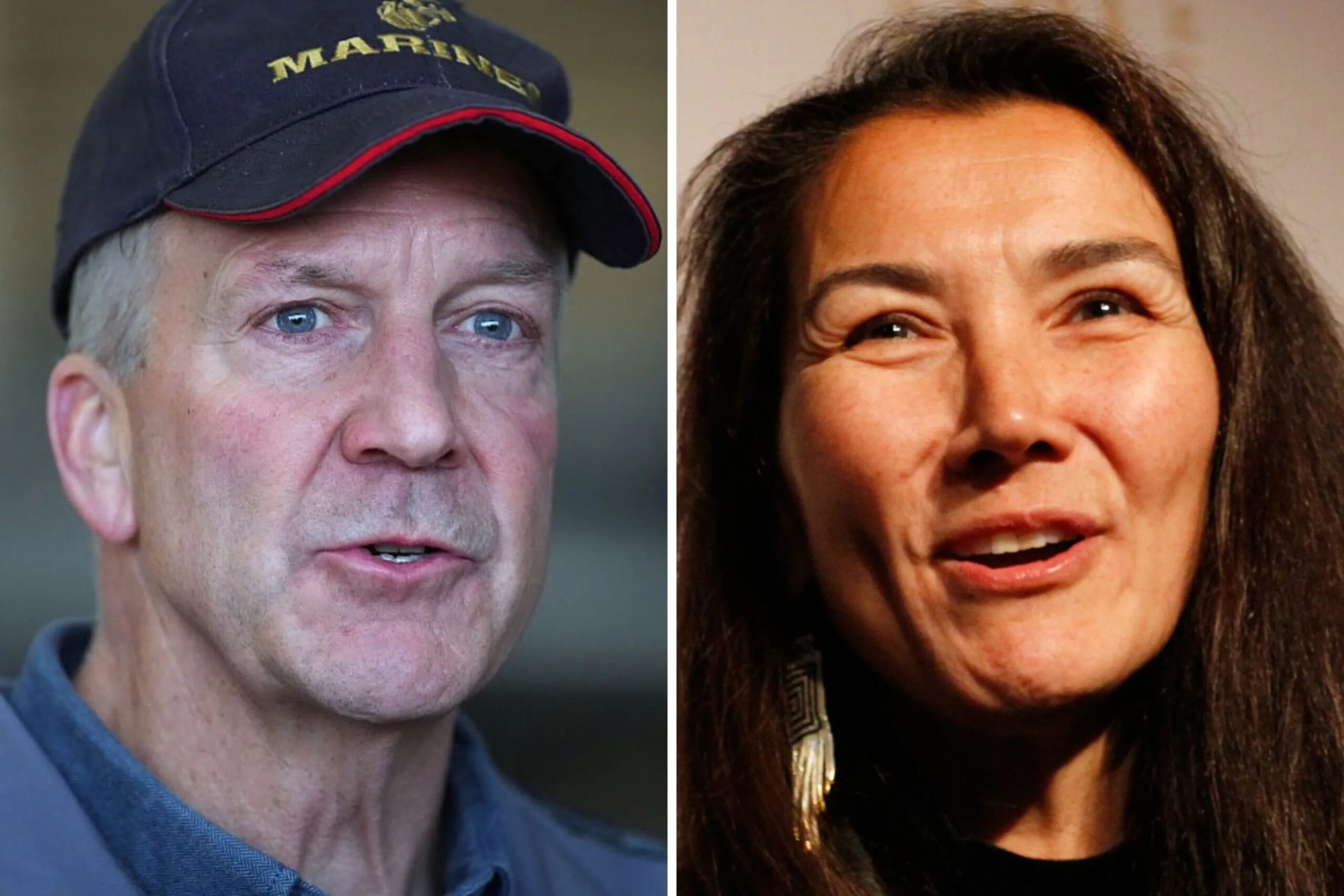
Federal investigators are examining an alleged effort to create confusion among voters in Alaska ahead of the 2026 midterm elections. The investigation focuses on claims that Mary Peltola’s campaign and Democratic political operatives tried to place another person named Dan Sullivan on the Senate ballot.
The case has drawn attention from federal officials and Alaska’s Republican leadership. It also comes as President Donald Trump’s administration seeks legal action linked to the state’s election process.
The inquiry could have major political effects in Alaska, where Republican Senator Dan Sullivan is facing a closely watched election. However, the allegations remain under investigation, and claims of wrongdoing must be supported by evidence.
Federal Subpoenas Target Election Activities
Federal authorities have issued subpoenas as part of an investigation into the alleged ballot effort. Investigators are seeking information about the people involved, their communications, and the steps taken to place another Dan Sullivan on the ballot.
The central question is whether the move was designed to mislead voters who might mistake the other candidate for the sitting Republican senator.
The use of the same name could create confusion during voting, especially among people who rely on candidate names when making their choices. But investigators must establish whether the effort broke any laws and whether the people involved acted with an unlawful purpose.
Subpoenas are a common tool in criminal investigations. They allow authorities to seek documents, messages, and other records that may help explain what happened.
The subpoenas do not, by themselves, prove that a crime occurred. They also do not mean that every person named in the investigation has been charged with an offense.
Peltola and Democratic Operatives Face Questions
The inquiry has raised questions about the role of former Democratic Representative Mary Peltola and political operatives linked to her campaign.
Peltola has been a major figure in Alaska politics. Any allegation involving her campaign is likely to draw close attention as the state prepares for another important election.
Investigators are expected to examine whether campaign staff or outside political groups took part in efforts to place the second Dan Sullivan on the ballot. They may also review whether campaign communications show that the move was intended to affect the Republican senator’s chances.
The evidence will be important in deciding whether the alleged actions were part of a lawful political strategy or an attempt to interfere with the election.
Political campaigns often use many methods to attract voters and challenge rivals. However, efforts to mislead voters about a candidate’s identity can raise serious legal concerns.
Authorities have not established guilt through the issuance of subpoenas alone. The investigation must follow the evidence and give those involved a chance to respond to the claims.
Alaska Governor Orders Criminal Inquiry
Alaska Governor Mike Dunleavy has also moved to examine the matter through a criminal inquiry.
The state-level investigation adds another layer to the case. Federal and state officials may review different parts of the alleged conduct, depending on the laws involved and the evidence available to them.
Dunleavy’s action reflects concern over whether the alleged ballot effort crossed legal boundaries. Election rules are designed to protect voters and ensure that candidates compete under fair conditions.
If investigators find evidence of a crime, prosecutors could consider further legal steps. If the evidence does not support the allegations, the inquiry may not lead to charges.
The outcome could also affect public confidence in Alaska’s election system. Claims of election misconduct often lead to sharp political disputes, especially when they involve major candidates or close races.
Trump Administration Seeks Legal Action
The investigation has also become linked to action by the Trump administration. The Justice Department is pursuing a lawsuit aimed at addressing the issue of election certification in Alaska.
The legal move adds to the growing dispute over the state’s Senate race and the rules that govern its elections. The administration’s actions may face court review, where judges will consider the legal basis for the claims and the requested remedies.
Election certification is a key step in confirming official results. Any attempt to change or block that process must meet the legal standards set by state and federal law.
The dispute also raises broader questions about the role of the federal government in state election matters. While federal authorities can investigate possible violations of federal law, states retain important duties in running elections.
Courts will have to consider the relevant laws and facts if the case proceeds through the legal system.
California Subpoenas Add to Wider Review
Federal investigators have also issued subpoenas in California as part of the broader inquiry. Those requests suggest that authorities are looking beyond Alaska for records or information that may help establish how the alleged effort was planned and carried out.
The reason for seeking information in another state may become clearer as investigators review the documents and communications they obtain.
The use of subpoenas across state lines can help investigators follow contacts between political groups, campaign staff, and other people who may have knowledge of the events.
Still, the existence of subpoenas does not establish that a wider criminal network exists. Investigators must determine whether the records show a clear link to unlawful conduct.
Midterm Election Raises the Stakes
The Alaska Senate election probe comes at a sensitive time for both parties. Control of Congress is at stake in the November 2026 midterm elections, making key Senate contests especially important.
For Republicans, protecting Sullivan’s seat could help the party defend its position in the Senate. Democrats, meanwhile, are seeking opportunities to gain seats and weaken Republican control.
The case could become a major political issue as the election approaches. Yet the legal process will depend on evidence, not campaign claims or public pressure.
Investigators must determine who took part in the alleged effort, what they intended to achieve, and whether their actions violated the law. Until those questions are answered, the allegations should not be treated as proven facts.
The case may also shape future debates over election safeguards and candidate registration rules. Clear procedures can help prevent voter confusion while protecting the right of candidates to take part in elections.
For now, federal subpoenas, the state inquiry, and the Justice Department’s legal action have placed Alaska’s election process under increased scrutiny. The next steps will depend on what investigators uncover and how courts assess any legal claims.

