


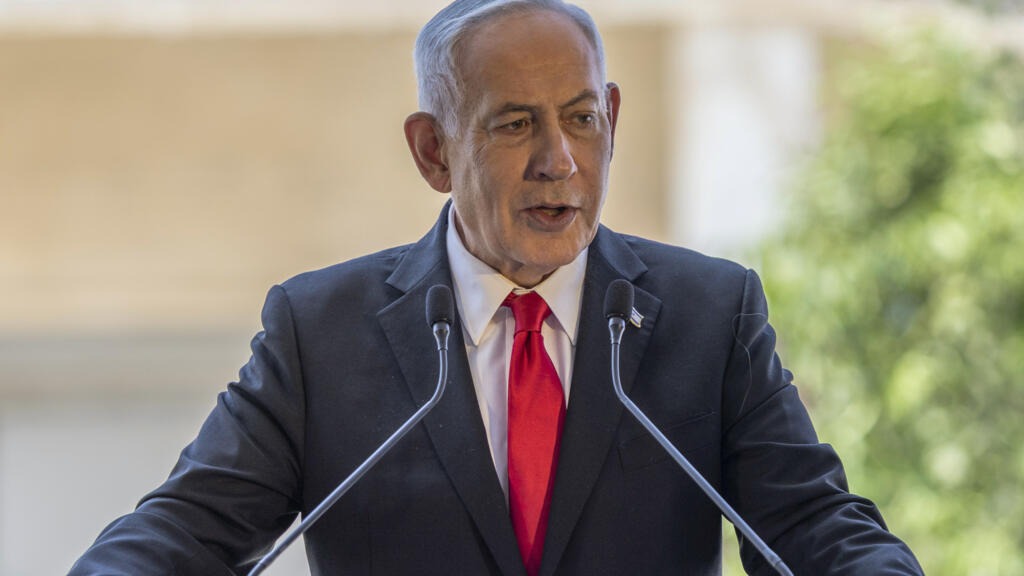
Israeli Prime Minister Benjamin Netanyahu is set to meet US President Donald Trump in Washington on Tuesday for their first in-person talks since the recent conflict involving Iran. The meeting is expected to focus on regional security, Iran, ongoing diplomatic efforts in the Middle East, and other key issues affecting the region.
The visit marks the eighth meeting between the two leaders since Trump returned to office and comes at a time of heightened attention on US-Israel relations. While reports in recent months have suggested occasional tensions between the leaders, both sides have sought to present a united front ahead of the talks.
Speaking before departing Israel, Netanyahu said the meeting carried both importance and responsibility. He emphasized that discussions would cover a wide range of issues, with Iran expected to be the top priority.
According to Netanyahu, Israel’s main objectives remain protecting national security and expanding opportunities for regional peace. He said the talks would focus on challenges and opportunities facing the Middle East as both countries continue to coordinate on strategic issues.
The meeting follows months of developments involving Iran and regional security. Although Israel has not participated in the most recent exchange of hostilities between the United States and Iran, tensions have remained a major concern for policymakers in Washington and Jerusalem.
US officials have indicated that diplomatic efforts remain a priority and that negotiations should be given an opportunity to move forward. Iran’s role in regional stability and security is expected to be a central topic during the discussions.
Relations between Trump and Netanyahu have attracted attention throughout the year. Differences reportedly emerged during negotiations surrounding regional security issues earlier this year, leading to public reports of disagreements between the two leaders.
However, Netanyahu has described those differences as tactical rather than strategic. He has repeatedly stated that both governments remain aligned on their broader goals despite occasional differences in approach.
Analysts say one purpose of the meeting is to demonstrate continued cooperation between the United States and Israel. Yonatan Freeman, an international relations expert at the Hebrew University of Jerusalem, said the visit provides an opportunity to reinforce the strength of the alliance.
According to Freeman, both leaders are likely to emphasize shared objectives and send a message of stability to allies and rivals across the region. He noted that while differences may exist over timing or methods, the two governments generally remain aligned on major strategic goals.
Another key issue expected to be discussed is the implementation of a US-backed agreement signed between Israel and Lebanon last month. While the framework agreement was welcomed as a diplomatic achievement, officials continue to face challenges in translating commitments into practical measures on the ground.
The situation in Gaza is also expected to be part of the discussions. International efforts to advance reconstruction plans for the territory have faced delays, and humanitarian conditions remain difficult. Diplomatic initiatives aimed at improving conditions and supporting long-term stability have made limited progress in recent months.
Regional diplomacy could also feature prominently in the talks. Trump has continued to support the expansion of the Abraham Accords, the normalization agreements that established diplomatic relations between Israel and several Arab countries during his first administration.
Supporters of the accords view them as an important framework for strengthening regional cooperation and encouraging broader engagement between Israel and Arab states. Observers say discussions may include opportunities to expand participation in future agreements.
Some analysts also believe the leaders may discuss Israel’s military presence in parts of the region, including areas where security concerns continue to influence policy decisions.
The meeting comes at an important political moment for Netanyahu. Israel is expected to hold national elections in the coming months, and recent opinion polls indicate a competitive political environment.
Public debate in Israel continues over security, governance, and the government’s response to major events in recent years. Political analysts say foreign policy and national security issues are likely to remain central themes as the election approaches.
As Netanyahu and Trump prepare for their latest talks, officials on both sides have emphasized the importance of cooperation on shared challenges. The meeting is expected to provide an opportunity to review regional developments, strengthen diplomatic coordination, and discuss future strategies aimed at promoting stability and security across the Middle East.

