


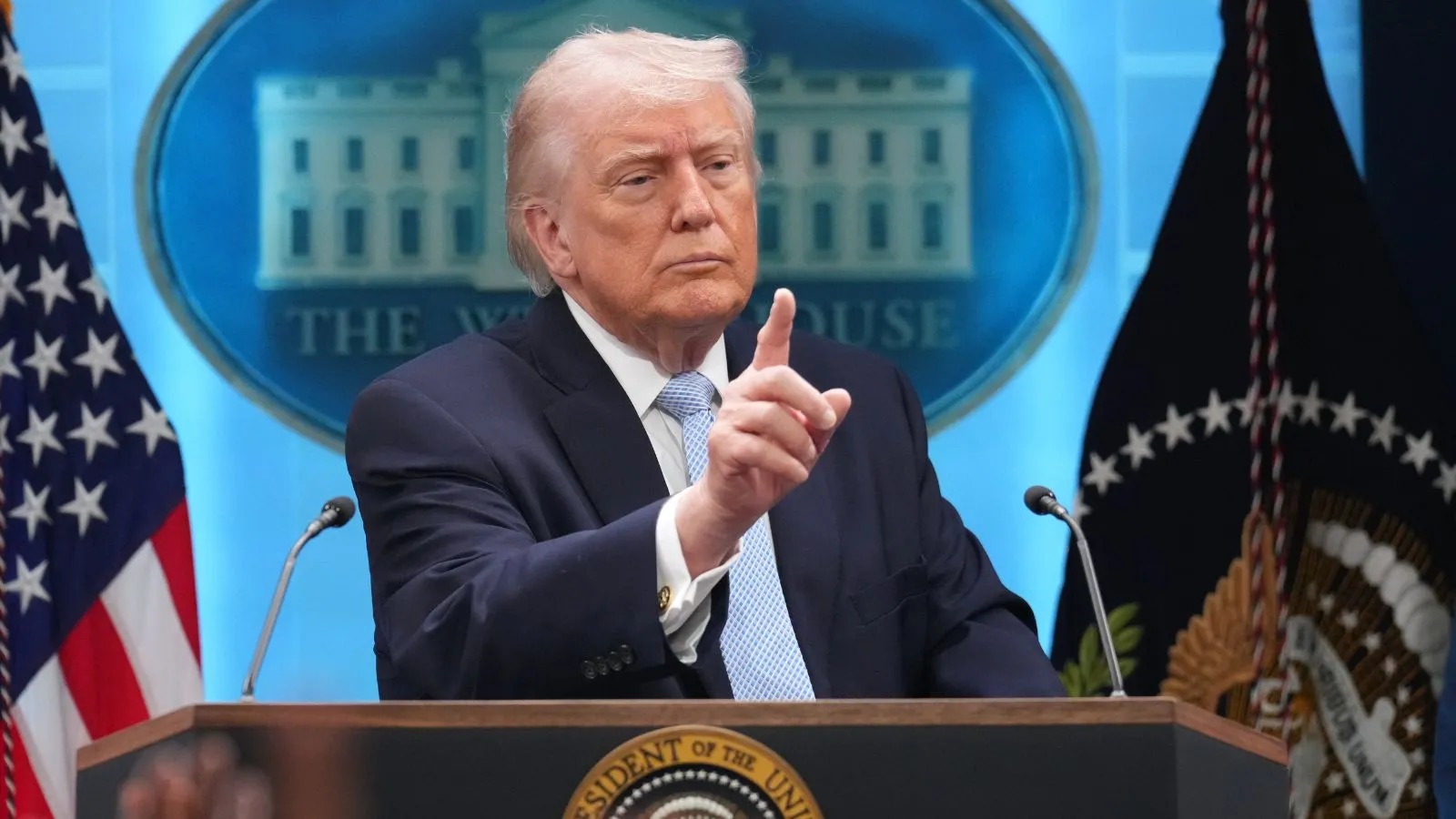
President Donald Trump signed a major Russia sanctions bill into law on Friday. The new law gives the U.S. government the power to place more sanctions and tariffs on countries linked to Russian energy purchases. The move comes as the war between Russia and Ukraine continues with no final peace deal in sight.
The legislation was named after late Senator Lindsey Graham of South Carolina. It was supported by lawmakers from both major political parties. The bill allows the president to impose tariffs of up to 100 percent on the five largest buyers of Russian energy. It also targets countries that help Russia avoid existing sanctions. In addition, some measures in the law expand pressure on Iran through related sanctions provisions.
Lawmakers who wrote the bill said its goal is to reduce the resources available to Russian President Vladimir Putin. They argued that limiting energy income could make it harder for Russia to continue its military operations in Ukraine. The bill was drafted by Senator Graham and Senator Richard Blumenthal of Connecticut.
Ukrainian President Volodymyr Zelensky welcomed the signing of the law. In a message shared on social media, he thanked Trump and members of Congress who supported the measure. Zelensky described the legislation as critically important for Ukraine.
He also praised lawmakers in both chambers for backing the bill. Zelensky said the best way to honor Graham’s legacy would be to put the law into action quickly and fully. He added that the ultimate goal remains peace and an end to the problems caused by the war.
The measure moved through Congress with strong support. It passed both the Senate and the House by wide margins. However, not all lawmakers agreed with the final version. Some Democrats in the House raised concerns about the authority it gives the president over tariffs.
House Minority Leader Hakeem Jeffries voted against the bill. He said he was worried about the economic impact of granting broad tariff powers to the president. Jeffries argued that American families are already dealing with high costs and that additional tariffs could increase economic pressure.
According to Jeffries, Congress should be careful when expanding presidential authority on trade issues. He said new tariffs could affect consumers and businesses across the United States. Despite those concerns, the bill still gained enough support to pass comfortably.
Trump had delayed action on the legislation for several months. During that period, he said he wanted to keep flexibility in talks with Russian leaders. The president argued that diplomatic efforts could create opportunities for a negotiated settlement to the conflict.
In September, special envoys Steve Witkoff and Jared Kushner traveled to Moscow and Kyiv. The visits were part of ongoing efforts to support dialogue between the parties involved in the conflict. Officials hoped the meetings could help move peace discussions forward.
Witkoff later said the United States believed trilateral talks could lead to a positive outcome. He expressed confidence that diplomatic engagement might produce a workable resolution to the war. A temporary ceasefire was announced during the period of the visits, raising hopes for progress.
Those hopes have since faced new challenges. Fighting has continued, and reports indicate that attacks resumed after peace efforts stalled. Russian strikes reportedly targeted Kyiv and other major Ukrainian cities earlier this week.
Ukrainian officials said more than 20 people were injured in the attacks. The renewed violence highlighted the difficulties facing negotiators and the continued instability in the region. As the conflict continues, the newly signed law is expected to become an important part of the United States strategy toward Russia.
Supporters believe the measure will increase economic pressure on Moscow. Critics remain concerned about its potential effect on trade and prices. Even so, the law marks a significant step in U.S. policy as leaders continue to search for ways to influence the course of the war.

