


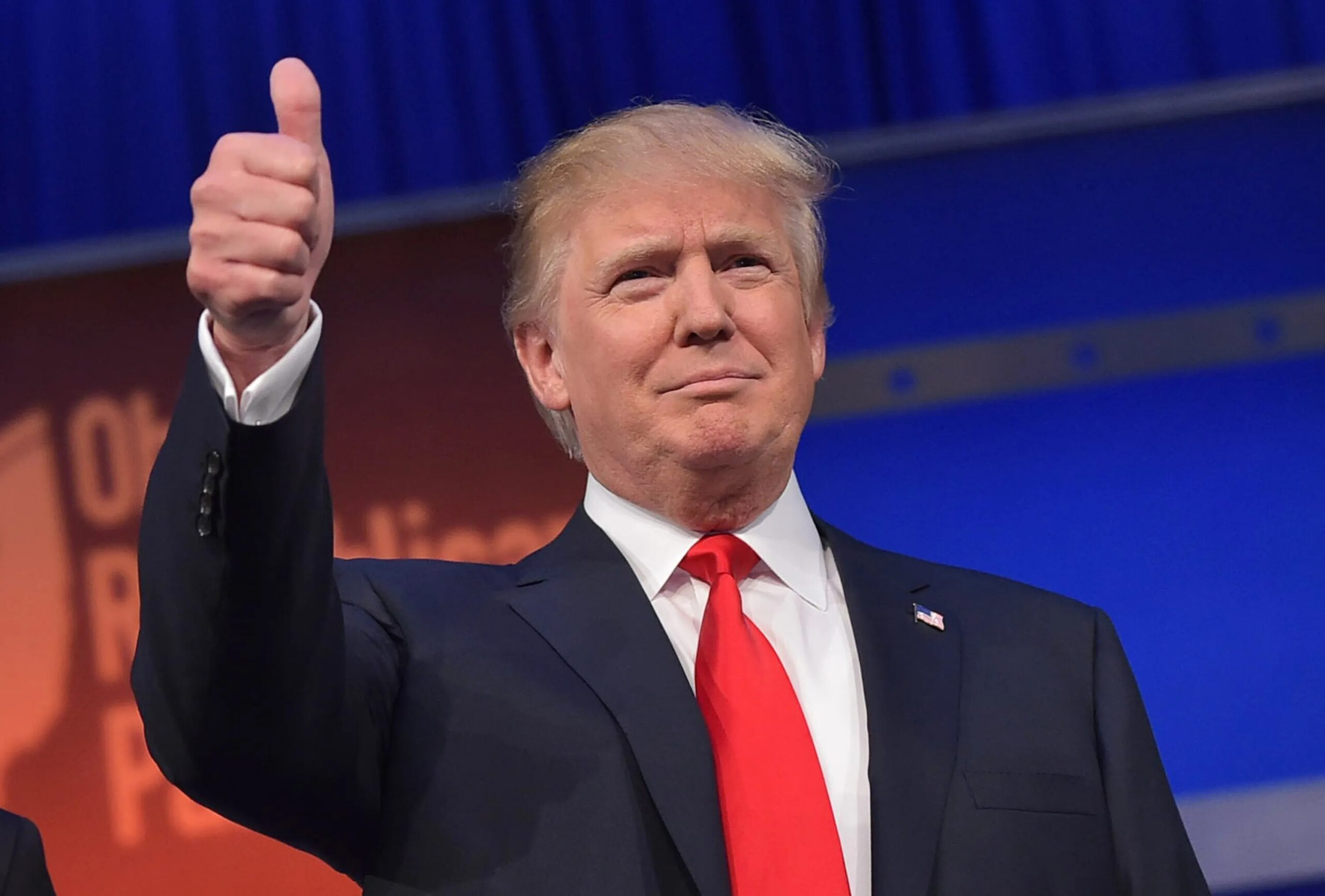
President Donald Trump is preparing a broad campaign push across several Republican-leaning states as the 2026 midterm elections enter their final weeks. The travel schedule includes stops in states that strongly supported him in the 2024 presidential election, highlighting growing Republican efforts to protect key races before voters head to the polls.
According to people familiar with the plans, Trump is expected to campaign in Iowa, Florida, Texas and Alaska before Election Day. Those visits will come in addition to planned appearances in Oklahoma and Alabama.
The schedule shows that Republican leaders are paying close attention to races in states that have traditionally been viewed as safe territory for the party. While many of these states remain strongly Republican, several contests for the Senate, House of Representatives and governor have become closely watched.
Trump has already expressed interest in supporting Republican candidates in Texas and Alaska. The addition of Iowa and Florida to his campaign calendar suggests a wider effort to energize voters and strengthen support in competitive races.
The president is also expected to begin visiting more traditional battleground states in early October. Those appearances are likely to increase as Election Day approaches.
Republican officials say the campaign travel is designed to motivate voters and help candidates across the country. Party leaders argue that strong turnout will be important as they seek to maintain and expand their current majorities.
Natalie Baldassarre, a spokesperson for the Republican National Committee, said the party is focused on supporting candidates and building enthusiasm among Republican voters. She said the party has the resources needed to compete in key races across the nation.
The White House directed questions about the campaign schedule to the Republican National Committee.
Vice President JD Vance is also expected to increase his campaign activity in the coming weeks. He and Trump are planning appearances in Ohio to support Republican Senator Jon Husted.
Ohio remains one of the most important Senate battlegrounds this election cycle. Republicans are closely watching the contest as candidates work to attract undecided voters.
The president’s first stops on the latest campaign swing are expected to be Oklahoma and Alabama. Both states have long supported Republican candidates in statewide elections.
Even so, some races in those states are drawing attention. In Alabama, Republican leaders hope a visit from Trump could boost turnout and strengthen support for candidates in competitive congressional contests.
One closely watched race is taking place in Alabama’s 2nd Congressional District. Both parties see the district as important, and candidates are working hard to gain support ahead of Election Day.
Republican concerns are not limited to Alabama. Party officials in Iowa, Texas and Alaska are also monitoring Senate races that have become more competitive than many expected earlier in the year.
Several issues have shaped the political environment in recent months. Economic concerns, including the cost of living, remain a major topic for voters. Immigration policies and foreign policy decisions have also become key campaign issues.
In Iowa, some Republican candidates have publicly disagreed with Trump on specific policy matters. Representative Ashley Hinson, the Republican Senate nominee, recently voiced concerns about the administration’s approach to the conflict involving Iran. Other Republican lawmakers from the state have also expressed differing views.
Political analysts note that disagreements within a party are not unusual during election years. However, they can become more noticeable when races are close and candidates seek to appeal to a broad group of voters.
Florida has also attracted attention from both parties. Some polling has suggested that statewide contests remain competitive. While Republicans continue to hold advantages in many areas, party strategists are carefully monitoring voter trends.
The expanded campaign schedule reflects the importance of turnout in the final weeks before the election. Republican leaders believe personal appearances by Trump can help energize supporters and increase participation.
As November approaches, both major parties are investing heavily in campaign events, advertising and voter outreach. The coming weeks are expected to bring a busy schedule of rallies and public appearances across the country.
For Republicans, Trump’s campaign tour represents a major effort to defend key races and reinforce support in states that have long been part of the party’s political foundation.

