


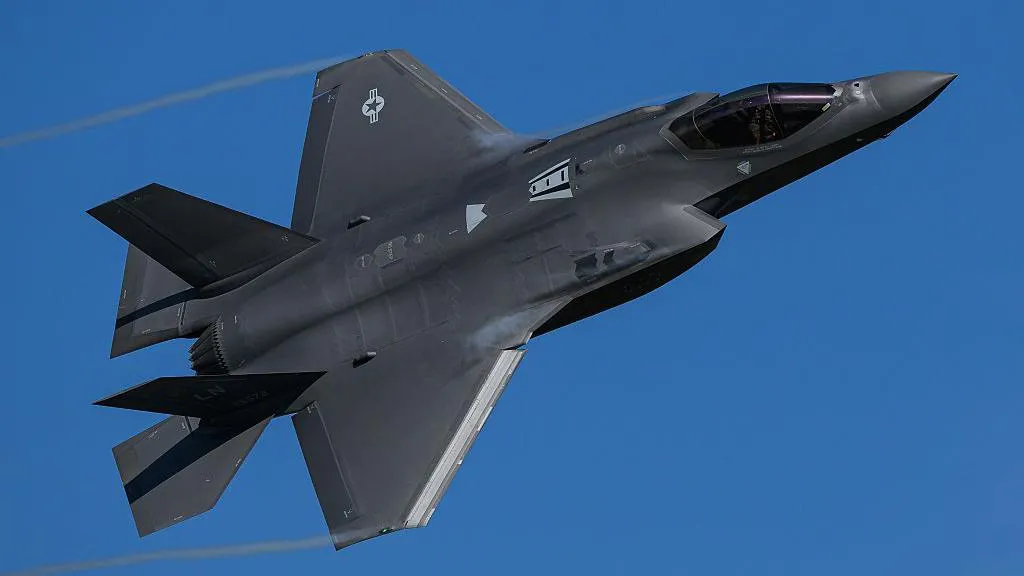
The United States has carried out new military strikes in southern Iran, targeting missile sites and boats in what officials describe as a defensive operation during an ongoing and fragile ceasefire period.
US Central Command US Central Command said the strikes were launched to protect American forces from what it called threats posed by Iranian military activity. Officials said the operation focused on areas near the southern port city of Bandar Abbas, a key strategic location close to the Strait of Hormuz.
According to US statements, the strikes were directed at missile infrastructure and vessels allegedly involved in preparing naval mines. The military said the action was carried out in self-defence and aimed at preventing further escalation.
Iranian state media reported that the Islamic Revolutionary Guard Corps Islamic Revolutionary Guard Corps claimed it had shot down a US drone and fired at additional aerial targets entering Iranian airspace. The reports did not confirm the exact timing of the incidents.
Iran also said it retains the right to respond to any perceived violations of the ceasefire agreement. Officials described their position as defensive and warned of possible retaliation if strikes continue.
The latest escalation comes at a sensitive moment in ongoing diplomatic efforts involving the United States and Iran. Talks have been taking place alongside regional tensions over shipping routes and military activity in the Gulf.
US Secretary of State Marco Rubio said that negotiations remain possible despite the recent strikes. He indicated that discussions involving Iranian and Qatari officials are continuing, with efforts focused on refining early draft agreements.
Rubio also stressed the importance of keeping international shipping routes open, particularly the Strait of Hormuz, which is a vital global oil transit corridor. He said maintaining access was essential for global economic stability.
Iran’s leadership has responded with strong language. Supreme Leader Ayatollah Ali Khamenei Ali Khamenei said the region would no longer act as a shield for US military presence. His comments were released in a message marking the Hajj pilgrimage.
He added that the United States was gradually losing influence in the region and would no longer maintain the same strategic position it once held.
Tensions between the two sides have been building for weeks, following earlier clashes in and around the Strait of Hormuz. Both countries have accused each other of provoking incidents in the region.
The Strait of Hormuz remains a central flashpoint. It is one of the world’s most important shipping lanes for oil exports, and any disruption in the area has immediate global economic impact.
Previous exchanges between US and Iranian forces have included air and naval activity near strategic Gulf waters. Analysts warn that continued escalation could further destabilise energy markets and regional security.
US officials say their current approach combines continued military readiness with ongoing diplomatic engagement. They argue that strikes are limited and focused on preventing immediate threats.
Iran, however, has described US operations as violations of sovereignty and says it will respond if necessary. Officials have also pointed to ongoing sanctions and military pressure as barriers to peace efforts.
The conflict has also been shaped by wider regional tensions involving Israel and Gulf states. Earlier strikes and retaliatory actions have contributed to a cycle of escalation across the Middle East.
Diplomatic efforts continue behind the scenes, with reports of discussions on possible ceasefire extensions and future nuclear negotiations. However, key issues remain unresolved, including sanctions, frozen assets, and nuclear restrictions.
The International Atomic Energy Agency International Atomic Energy Agency has previously reported concerns over Iran’s enriched uranium levels, adding to international pressure for a long-term agreement.
Despite ongoing talks, both sides remain far apart on core demands. The United States is pushing for strict limitations on Iran’s nuclear programme, while Iran continues to demand sanctions relief and security guarantees.
As military activity continues alongside diplomacy, the situation remains highly unstable. Officials on both sides have signalled openness to negotiation, but recent strikes underline how quickly the situation can escalate.
For now, the region remains on alert as global powers attempt to balance military pressure with diplomatic negotiations in one of the world’s most sensitive geopolitical flashpoints.

