


President Donald Trump is facing growing pressure over the ongoing conflict with Iran as disagreements within his administration raise questions about the future direction of U.S. policy.
The conflict entered its sixth month this week after renewed military action between the United States and Iran. The latest escalation followed a series of strikes carried out by U.S. forces, prompting Iranian leaders to promise further retaliation.
The renewed fighting has increased concerns about regional stability and the possibility of a longer conflict without a clear resolution.
According to people familiar with discussions inside the administration, Trump has become increasingly frustrated with the lack of agreement among senior advisers about the overall goals of the war.
Officials reportedly remain divided on what should be the primary objective of the U.S. strategy.
Some believe the focus should remain on Iran’s nuclear activities. Others argue that attention should be directed toward threats involving the Strait of Hormuz, a key global shipping route. Another group believes Iran’s missile and drone capabilities should be the central concern.
The differing views have made it difficult for the administration to establish a clear path toward ending the conflict.
Sources familiar with recent discussions said Trump expressed frustration during a meeting with national security officials last week.
The president reportedly questioned how the administration would achieve its goals and what steps would lead to a successful conclusion of the conflict.
People close to the White House said the president is dissatisfied with the current situation and expected progress toward a diplomatic solution to come more quickly.
One ally described Trump as frustrated by the challenges involved in reaching an agreement with Iranian leaders.
The continuing disagreements have raised concerns among political observers about whether the United States could become increasingly tied to a prolonged conflict against an opponent that has continued to withstand military and economic pressure.
As military operations continue, officials face difficult decisions regarding future strategy and diplomatic efforts.
The conflict remains one of the most significant foreign policy challenges confronting the administration.
At the same time, developments in Washington continue to shape the political landscape.
The Senate Judiciary Committee postponed a scheduled vote on the nomination of Todd Blanche for attorney general.
The delay followed concerns raised by Republican Senators John Cornyn and Thom Tillis.
The senators have requested written assurances from the Justice Department regarding specific policy matters connected to an earlier settlement involving Trump and the Internal Revenue Service.
A new date for the committee vote has not yet been announced.
Meanwhile, additional political debates are emerging in Congress.
Senator Rand Paul said he plans to seek a vote to hold former health official Dr. Anthony Fauci in contempt of Congress after Fauci invoked his constitutional right against self-incrimination during a Senate hearing focused on the origins of COVID-19.
Lawmakers are also examining government spending related to the Iran conflict.
Several senators have called for stronger oversight and accountability measures regarding Defense Department funding and financial management.
Beyond politics and foreign affairs, the administration announced plans for a major infrastructure project in the Washington region.
Trump unveiled a proposal to modernize Washington Dulles International Airport.
The project includes replacing two airport concourses, constructing a new parking facility, and developing an expanded rail transportation system within the airport complex.
Transportation officials estimate the project could cost approximately $22 billion.
Administration officials said the project would be funded through participating airlines rather than direct federal spending.
If approved, construction could begin next year and continue for several years.
International developments also drew attention this week.
Pope Leo XIV discussed his family history during an interview following a peace concert near Rome.
The pope spoke about his immigrant roots and acknowledged that his family history included both enslaved people and slaveholders.
He also reflected on American values, including freedom and opportunity, while emphasizing the importance of understanding historical realities.
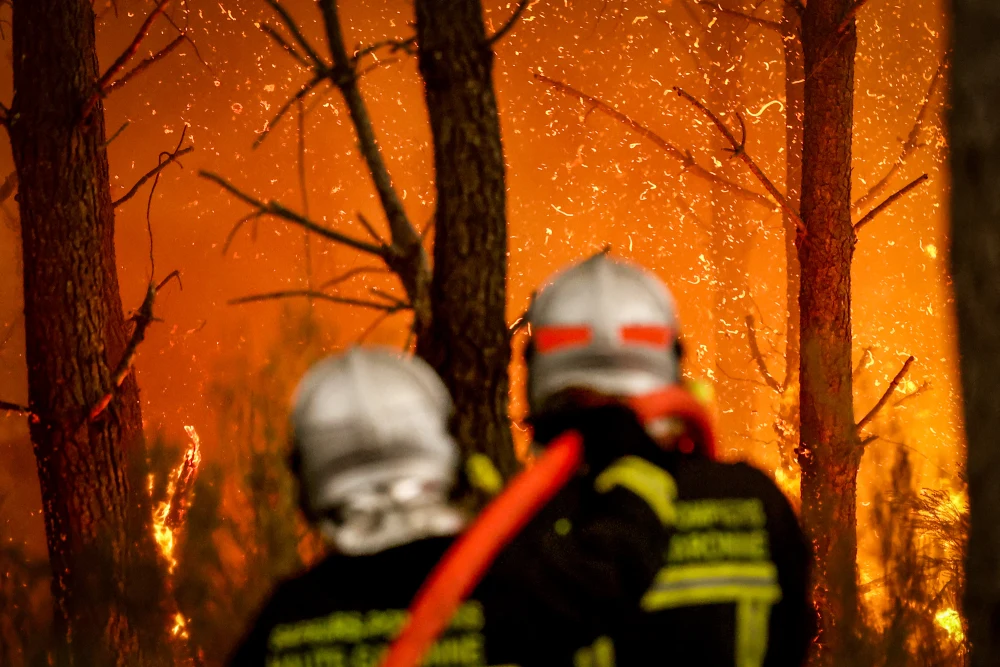
Elsewhere, emergency crews in France continued battling one of the largest wildfires in the country’s history.
The massive blaze has threatened communities near Bordeaux and forced more than 220,000 residents to leave their homes.
Firefighters and volunteers remain engaged in efforts to contain the fire and prevent additional damage.
While several major issues are competing for public attention, the Trump Iran War Strategy remains at the center of national debate. Questions about military goals, diplomatic options, and long-term outcomes continue to shape discussions inside Washington as the administration searches for a path forward in a conflict that shows few signs of ending soon.

