


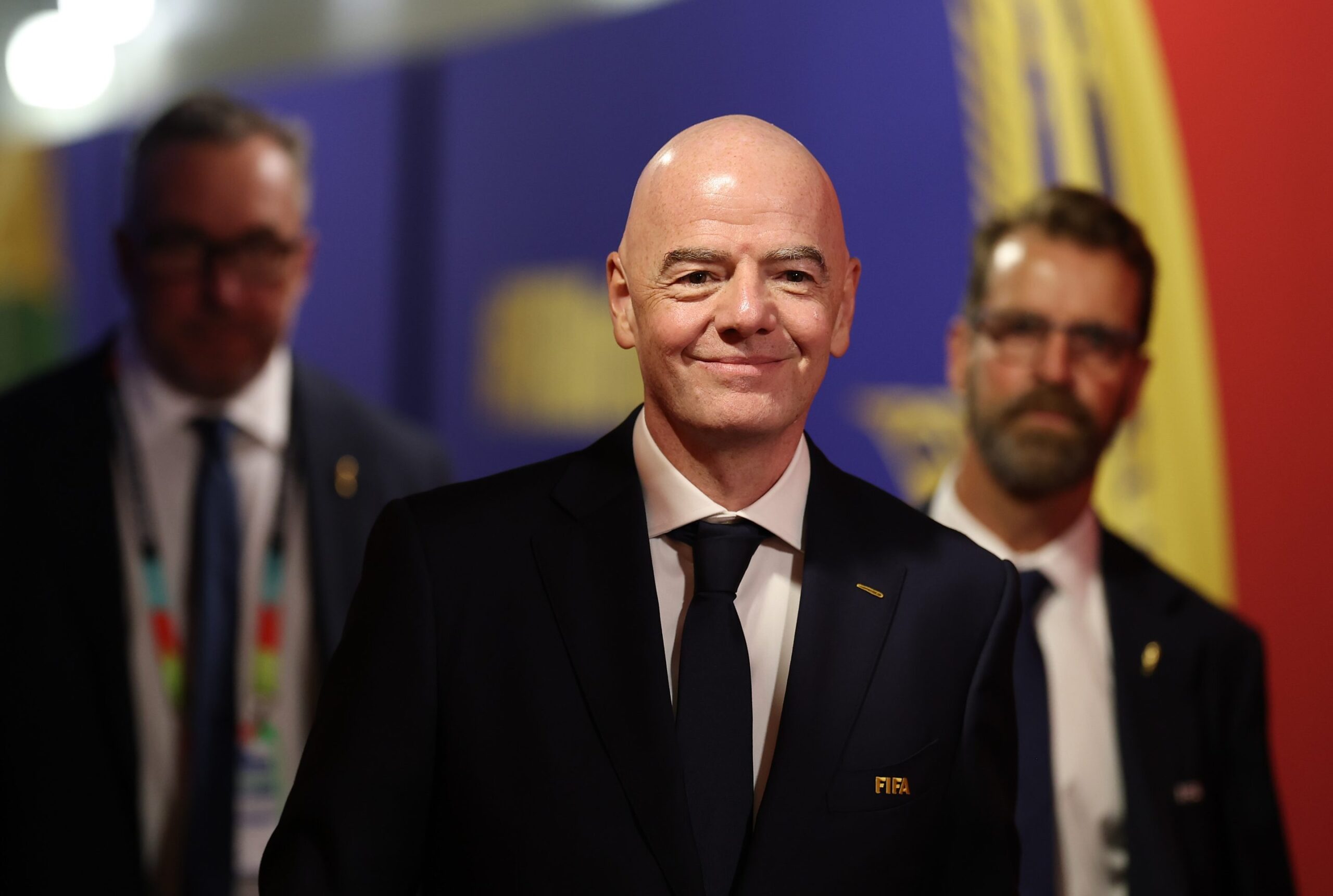
FIFA is facing strong criticism after unveiling plans to sell a stake in the commercial rights of its biggest tournaments, including the men’s and women’s World Cups and the Club World Cup. The proposal has sparked concern across the football world, with governing bodies, clubs, and political leaders warning that the move could change the future of the sport.
The governing body confirmed it is working with JPMorgan Chase to create a new business called FIFA Forward Enterprise. The new entity would manage key commercial rights linked to FIFA tournaments and seek investment from private firms. FIFA said the project could generate more than $10 billion in additional funding that would be distributed among its 211 member associations.
According to people familiar with the proposal, FIFA values the new commercial venture at around $20 billion. The plan comes after a period of strong financial growth for the organization. Revenue from the recent World Cup exceeded expectations, encouraging FIFA leadership to explore new ways to increase income and expand funding programs around the world.
FIFA President Gianni Infantino said the proposal would create a dedicated business structure focused on commercial growth while allowing more money to flow back into football development. He argued that the plan would strengthen support for national football associations and help grow the sport in emerging markets.
However, the announcement triggered an immediate backlash from UEFA, which accused FIFA of putting football’s future at risk. UEFA said football should not be treated as a commercial asset that can be sold to investors. The organization warned that decisions affecting the game could be influenced by financial interests rather than sporting values.
UEFA officials also raised concerns about transparency. The organization questioned who would benefit financially from the deal and how much influence investors could gain over major competitions. Sources close to several leading European clubs also expressed opposition to the proposal, arguing that private investment could reshape football in ways that favor profit over competition.
Political leaders joined the criticism. British Prime Minister Andy Burnham publicly opposed the plan, saying football belongs to supporters, players, clubs, and communities rather than investors. He argued that the World Cup is one of the most important sporting events in the world and should not be treated as a product available for sale.
The proposal reportedly surprised some FIFA council members as well. Several reports suggested that many senior figures within the organization were not heavily involved in the decision-making process before the public announcement. This has added to concerns about governance and transparency within world football.
This is not the first time FIFA has explored private investment opportunities. In 2018, the organization attempted to secure major funding through a partnership involving Japanese investment group SoftBank. That proposal included financing for an expanded Club World Cup and a global Nations League competition. The idea failed to gain enough support, largely because of resistance from European football authorities.
FIFA believes the new project could significantly increase support for member associations. Under the proposal, annual funding distributed to national associations could rise from $8 million to $20 million. For many smaller football nations, such an increase would provide valuable resources for infrastructure, youth development, coaching programs, and grassroots initiatives.
Despite those financial benefits, critics fear that investor involvement could create long-term pressure on football’s governing structures. They warn that investors may seek higher returns by pushing for more frequent World Cups, larger tournaments, or events hosted in markets that generate the highest revenue. Such changes could affect competition schedules, player workloads, and the balance of the global game.
FIFA insists that it would maintain full authority over football governance, tournament regulations, and the international match calendar. The organization also stated that investors would only receive minority, non-controlling stakes in the new company. FIFA said all net financial benefits generated through the venture would be reinvested into football worldwide.
The debate arrives as Infantino prepares for another presidential election next year. He is widely expected to win a new term without opposition. Under FIFA rules, however, he must leave office in 2031 after completing three full terms. Reports have suggested that he could seek a future leadership role within the new commercial enterprise once his presidency ends.
As discussions continue, the FIFA World Cup Rights Sale proposal is expected to face intense scrutiny from football associations, clubs, supporters, and regulators. The final decision could shape the commercial future of football for decades and determine how the sport balances financial growth with its traditional values.

