


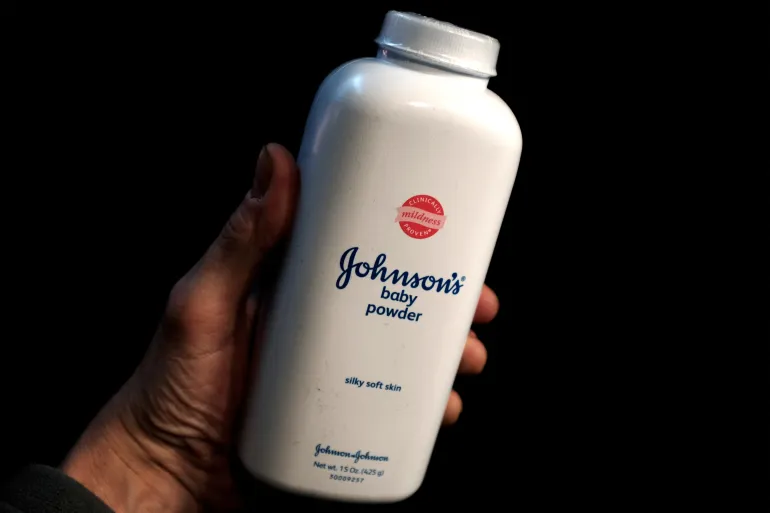
Johnson & Johnson has agreed to pay $5.5 billion to settle tens of thousands of lawsuits in the United States alleging that its former talc-based baby powder products caused ovarian cancer. The agreement represents one of the largest product liability settlements in recent years and could bring an end to a long-running legal battle that has lasted for nearly a decade.
The healthcare company announced the proposed settlement on Monday, saying it covers approximately 69,000 cases filed in federal and state courts across the United States. According to the company, the agreement would resolve about 99.75 percent of all remaining talc-related claims currently pending in the country.
The settlement is not yet final. Johnson & Johnson said the agreement will take effect only if at least 95 percent of eligible claimants agree to its terms. The company expressed confidence that the threshold can be reached, allowing the legal process to move toward completion.
The lawsuits center on allegations that long-term use of talc-based baby powder products contributed to the development of ovarian cancer in some consumers. Plaintiffs argued that the company failed to adequately warn users about potential health risks associated with the products.
Talc is a naturally occurring mineral that was widely used for decades in cosmetics, personal care products, and baby powders because of its ability to absorb moisture and reduce friction. However, concerns about possible links between talc exposure and cancer have increased over the years.
In 2024, the World Health Organization classified talc as “probably carcinogenic to humans,” adding to public and legal scrutiny surrounding talc-containing products.
Despite the settlement, Johnson & Johnson continues to deny that its talc products cause cancer. The company has repeatedly stated that scientific evidence supports the safety of its products and that extensive testing has not demonstrated a causal link between talc and ovarian cancer.
Although the company maintains its position, it stopped selling talc-based baby powder in the United States in 2020. In 2023, it ended global sales of the product and shifted to alternative formulations.
The legal controversy has its roots in a series of lawsuits filed over the past decade. One of the earliest high-profile cases occurred in 2016, when a jury awarded $72 million to the family of a woman who died from ovarian cancer after using talc-based products.
While that verdict was later overturned on appeal, the case drew national attention and encouraged additional lawsuits. Since then, thousands of plaintiffs have brought claims against the company, and several juries have awarded significant damages in individual cases.
Johnson & Johnson has spent years attempting to resolve the litigation through various legal strategies. The company has argued that prolonged court battles create uncertainty and consume resources that could otherwise be directed toward healthcare innovation and patient care.
Erik Haas, the company’s head of litigation, said the proposed settlement would allow Johnson & Johnson to move forward and focus on its core business activities. Company officials described the agreement as an opportunity to bring closure to a major legal issue that has affected the organization for years.
Attorneys representing many of the claimants welcomed the settlement. They described the agreement as a significant step toward resolving a dispute that has involved thousands of families and extensive legal proceedings across the United States.
While the settlement covers the vast majority of pending US claims, it does not apply to cases outside the country. Legal actions related to talc products remain active in several jurisdictions, including the United Kingdom.
A major case in the UK is currently moving through the legal system and involves more than 7,000 potential claimants. Filed in October 2025, the lawsuit alleges that Johnson & Johnson was aware of potential cancer risks associated with talc products but continued selling them. The company strongly rejects those allegations and maintains that its products were safe when used as intended.
The proposed US settlement marks a major development in one of the largest product liability disputes in recent history. If approved by the required percentage of claimants, the agreement could bring resolution to nearly 69,000 lawsuits and significantly reduce the company’s legal exposure in the United States.
For now, the settlement remains subject to claimant approval, and the final outcome will depend on whether the required participation level is achieved in the coming months.

