


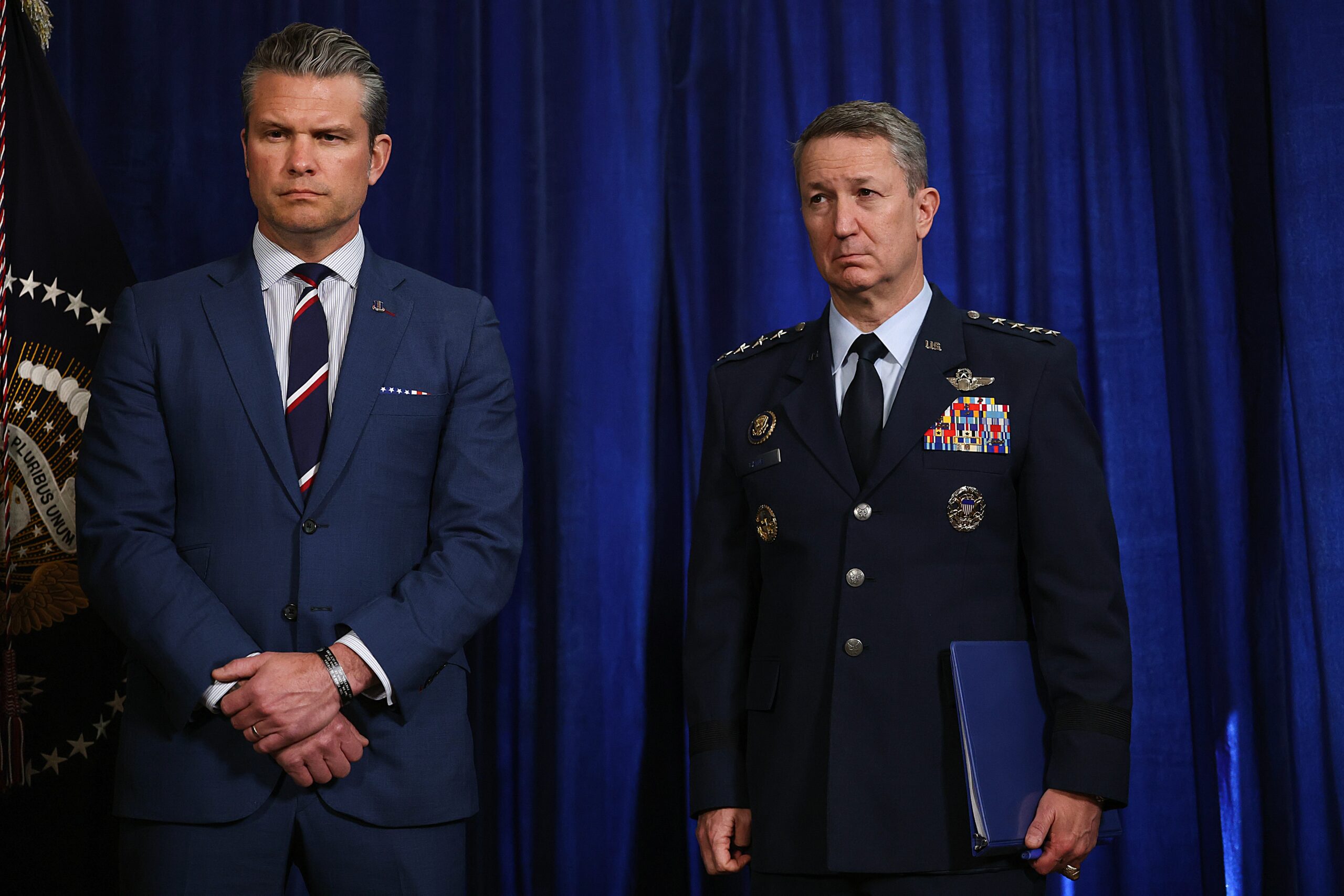
US Defense Secretary Pete Hegseth has confirmed plans to reduce the number of generals and admirals in the military by 20%. He also defended the administration’s efforts to reshape the armed forces and remove diversity-focused policies.
The announcement came during a speech at Marine Corps Base Quantico in Virginia. Hegseth said the military should focus on training, readiness, discipline, accountability, and combat effectiveness. He argued that these goals should remain the main priorities for service members across all branches.
During his remarks, Hegseth strongly criticized diversity, equity, and inclusion programs. He said the Pentagon had moved away from policies that he believes distracted from military readiness. He also repeated the administration’s position that the armed forces should concentrate on operational performance and mission success.
The defense secretary dismissed reports suggesting low morale among troops. He described such reports as inaccurate and claimed that military retention rates remain strong. According to Hegseth, many service members are choosing to continue their military careers at high levels.
Hegseth pointed to the experience of sailors aboard the USS Abraham Lincoln as an example. The aircraft carrier recently completed a lengthy deployment that lasted nearly nine months. He said about 80% of personnel assigned to the ship were retained, presenting the figure as evidence of continued commitment among troops.
His comments followed recent attention on conditions aboard the carrier. Concerns had been raised about mental health challenges and supply issues during the extended deployment. The ship remained at sea for 286 days before its crew departed in Thailand on September 1.
The deployment had originally been expected to end in May. However, it was extended during US military operations connected to the conflict involving Iran. The longer mission placed additional demands on sailors and support personnel.
During the speech, Hegseth also criticized media coverage of military matters. He argued that some reports on deployment lengths and troop morale did not accurately reflect conditions within the armed forces. He maintained that service members continue to perform their duties with professionalism and dedication.
Another major announcement involved a new Pentagon initiative focused on future military strategy and technology. Hegseth said a special project would examine how warfare may change in the coming years.
The effort will include several well-known figures. Business leader Elon Musk will take part in the study. Technology entrepreneur Palmer Luckey will also join the project. Former House Speaker Newt Gingrich is expected to participate as well.
According to Hegseth, the group will work with the Defense Department to explore emerging military technologies and future battlefield challenges. The project aims to help military planners prepare for new threats and changing forms of conflict.
Luckey is the founder of defense technology company Anduril Industries. The company has become a major contractor in the defense sector and has secured significant government agreements in recent years. Its products focus on advanced defense systems and autonomous technologies.
Hegseth also addressed military education during his speech. He criticized several elite universities, arguing that some institutions place too much emphasis on diversity-related programs. He said the Pentagon would expand partnerships with a wider range of schools as part of its educational pipeline.
Among the institutions mentioned were Liberty University, Hillsdale College, Louisiana State University, Mississippi University, and Tuskegee University. Hegseth said these partnerships would help create new opportunities for future military leaders and personnel.
The defense secretary’s comments reflect broader changes taking place within the Pentagon under the current administration. The proposed reduction in senior military leadership, the review of educational partnerships, and the launch of a future warfare project all signal a significant shift in defense priorities.
As the Pentagon moves forward with these plans, attention is likely to remain focused on how the changes affect military leadership, force readiness, recruitment, and long-term defense strategy. Supporters say the reforms will strengthen military effectiveness, while critics continue to question some of the policy changes and their impact on the armed forces.

